
The Importance of Regular Dental Checkups

Maintaining optimal oral health requires more than daily brushing and flossing. Regular dental checkups play a critical role in safeguarding your teeth, gums, and overall health. Many people underestimate the value of routine visits, often waiting until pain or discomfort arises. However, preventive care is far more effective, less expensive, and less invasive than reactive treatment. Understanding the importance of regular dental checkups can help prevent major health issues, save money, and ensure long-term well-being.
Why Regular Dental Checkups Matter
A dental checkup is not just a quick cleaning session; it’s a comprehensive examination that helps identify potential problems before they escalate. Dentists assess not only your teeth but also your gums, bite alignment, jaw health, and even signs of systemic diseases that can manifest in the mouth. Regular visits—typically every six months—are essential for early detection and effective intervention.
Early detection is the cornerstone of preventive dentistry. Conditions such as tooth decay, gum disease, or oral cancer often progress silently. Without regular exams, these issues may go unnoticed until they become painful or require complex procedures. A consistent dental routine ensures that your dentist monitors subtle changes over time and takes action promptly.
Comprehensive Oral Examinations
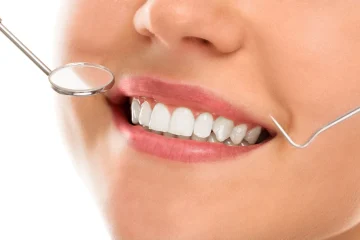
During a routine visit, your dentist conducts a detailed oral examination. This includes checking for cavities, gum inflammation, plaque accumulation, and enamel wear. Advanced diagnostic tools such as digital X-rays and intraoral cameras allow dentists to identify issues that may not be visible to the naked eye.
These exams also reveal problems that go beyond tooth decay, such as early signs of jawbone deterioration, impacted teeth, or cysts. Your dentist evaluates your bite pattern to detect misalignment that might lead to uneven wear or temporomandibular joint (TMJ) disorders. Comprehensive oral exams are crucial for developing a complete picture of your oral health and preventing future complications.
The Role of Professional Dental Cleaning
Even with diligent brushing and flossing, plaque and tartar can build up in hard-to-reach areas. Over time, this buildup can lead to gum irritation, inflammation, and infection. Professional dental cleanings remove these deposits using specialized instruments that are far more effective than at-home tools.
Dental hygienists polish your teeth to remove surface stains and apply fluoride treatments to strengthen enamel. This process not only enhances your smile but also prevents cavities and tooth decay. Regular cleanings significantly reduce the risk of periodontal (gum) disease, which, if left untreated, can cause tooth loss and bone damage.
Preventing Gum Disease
Gum disease is one of the leading causes of tooth loss among adults, yet it’s entirely preventable. Regular dental checkups are vital in detecting early-stage gingivitis before it progresses into periodontitis, a more severe form of gum disease.
Common symptoms like bleeding gums, bad breath, and gum recession may seem minor at first, but they signal underlying inflammation that can damage the supporting structures of your teeth. Through routine evaluations and cleanings, your dentist can recommend targeted treatments, such as scaling and root planing, to halt the disease’s progression and restore gum health.
Detecting Oral Cancer Early
One of the most overlooked benefits of regular dental checkups is early oral cancer detection. Oral cancer can develop in the lips, tongue, cheeks, throat, or gums, often without noticeable symptoms. Dentists perform oral cancer screenings as part of routine exams, checking for abnormal lesions, discoloration, or tissue changes.
Early diagnosis dramatically improves treatment outcomes. Without regular exams, oral cancer can advance undetected, making recovery more difficult. Regular dental visits ensure that any suspicious signs are identified and treated as early as possible, protecting not only your oral health but your life.
Safeguarding Overall Health
Your oral health has a direct connection to your overall well-being. Poor dental hygiene and untreated oral conditions can contribute to systemic health issues, including cardiovascular disease, diabetes complications, respiratory infections, and even dementia.
Bacteria from gum infections can enter the bloodstream, triggering inflammation throughout the body. Studies have shown that individuals with periodontal disease have a higher risk of heart disease and stroke. Regular dental checkups help reduce these risks by maintaining oral hygiene and managing any infections early.
Furthermore, dentists often detect symptoms of systemic diseases during oral exams. Conditions such as diabetes, anemia, and autoimmune disorders may first present with oral symptoms like dry mouth, ulcers, or gum inflammation. Early detection allows for timely medical referrals and improved overall health management.
Cost Savings Through Preventive Care
Preventive dental care is far more cost-effective than restorative treatments. Routine cleanings and exams are affordable and often covered by dental insurance, while neglecting regular visits can lead to expensive procedures such as root canals, crowns, or extractions.
For instance, treating a small cavity early might cost less than a simple filling, whereas ignoring it can result in the need for a root canal or even tooth replacement. Regular dental checkups help you avoid these costly interventions by addressing issues at their earliest stages.
Maintaining Fresh Breath and a Confident Smile
Persistent bad breath, or halitosis, often stems from underlying dental issues such as gum disease or decayed teeth. Routine cleanings eliminate odor-causing bacteria and plaque buildup, leaving your mouth fresh and clean.
Beyond oral health, regular dental visits contribute to your confidence. A bright, healthy smile can positively affect your social interactions and self-esteem. Cosmetic benefits like whitening or alignment treatments can also be discussed during checkups, helping you maintain a radiant, confident appearance.
Customized Oral Health Education
Every patient’s oral health needs are unique. During checkups, your dentist provides personalized guidance on effective brushing and flossing techniques, diet choices, and oral care products.
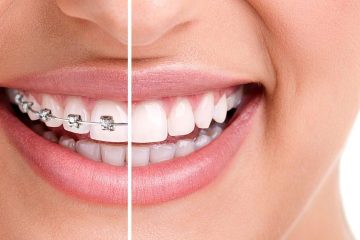
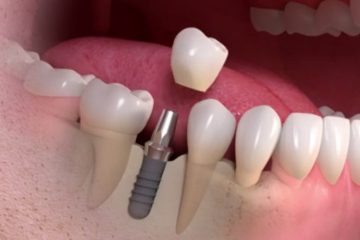
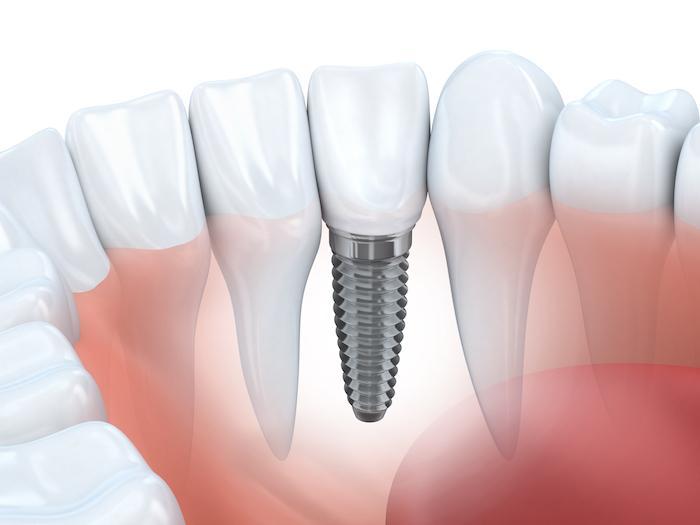
For example, if you have braces, implants, or dental restorations, your dentist may recommend specific tools like interdental brushes or water flossers. This tailored advice ensures you maintain excellent hygiene between visits, reducing your risk of future dental problems.
How Often Should You Visit the Dentist?
Most adults benefit from biannual checkups—every six months. However, individuals with specific risk factors, such as smokers, diabetics, pregnant women, or those with a history of gum disease, may need more frequent visits. Your dentist will determine an ideal schedule based on your oral health history and current condition.
Pediatric Dental Checkups
Establishing good dental habits early in life is essential. Children should begin visiting the dentist as soon as their first teeth appear. Regular pediatric checkups allow for monitoring of tooth development, early cavity prevention, and education on healthy oral hygiene practices.
Pediatric dentists also help children overcome dental anxiety, making future visits stress-free and positive. Building a consistent routine from childhood sets the foundation for lifelong dental health.
Long-Term Benefits of Consistent Dental Care
The benefits of regular dental checkups extend beyond immediate oral health. Over time, consistent care helps preserve natural teeth, enhances appearance, and prevents chronic pain or discomfort. Maintaining oral hygiene also supports longevity and overall vitality.
By prioritizing preventive care, you ensure a lifetime of healthy smiles, reduced medical expenses, and improved confidence. Regular dental visits empower you to take charge of your health proactively rather than reactively.
Frequently Asked Questions
Q1. What happens if I skip dental checkups for a few years?
Skipping dental checkups can lead to unnoticed issues like cavities, gum disease, or oral infections. Over time, these problems worsen, leading to pain, tooth loss, and expensive treatments.
Q2. Are dental X-rays safe during routine visits?
Yes. Modern dental X-rays use very low radiation levels and are considered safe for both adults and children. Dentists use protective aprons and digital imaging to minimize exposure further.
Q3. How can I prepare for a dental checkup?
Brush and floss before your appointment, make a list of medications you take, and note any pain or sensitivity you’ve experienced. This helps your dentist tailor the examination to your needs.
Q4. Is professional cleaning necessary if I brush and floss daily?
Absolutely. Home care removes surface debris but cannot eliminate hardened tartar or reach deep pockets near the gums. Professional cleaning ensures complete removal of buildup and helps maintain gum health.
Q5. Can dental checkups improve my overall health?
Yes. Oral health is interconnected with systemic health. Managing oral bacteria reduces risks for heart disease, diabetes, and other inflammatory conditions.
Regular dental checkups are not just about maintaining a beautiful smile—they’re an investment in your overall health and longevity. By committing to routine care, you protect yourself from preventable diseases, improve your confidence, and ensure a healthier future.