
The Latest Advancements in Dental Treatments
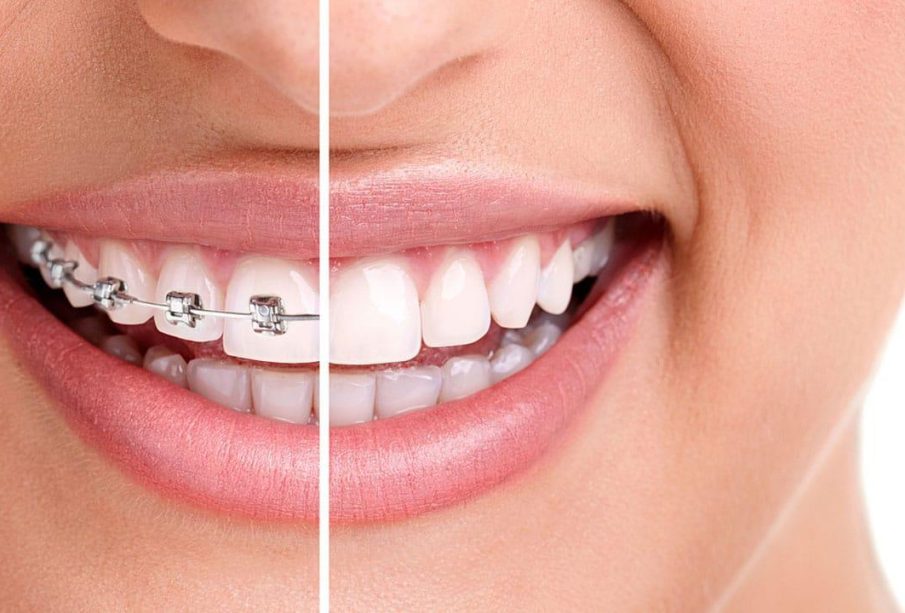
Modern dentistry has evolved far beyond traditional fillings and tooth extractions. With the integration of advanced technologies, digital diagnostics, and biologically engineered materials, dental treatments have become more precise, efficient, and comfortable. Understanding the latest advancements in dental treatments helps patients make informed choices about their oral care, while allowing dentists to deliver long-lasting results with less discomfort and downtime.
The Shift Toward Technology-Driven Dentistry
Dentistry has experienced a significant transformation in recent years, driven by innovations in imaging, artificial intelligence, and minimally invasive techniques. These developments not only enhance treatment outcomes but also prioritize patient comfort and preventive care.
The goal of modern dentistry is to preserve natural teeth as much as possible through early detection and targeted treatment. With new diagnostic tools, dentists can now identify potential issues long before they become visible or painful, enabling proactive rather than reactive care.
Digital Dentistry: The Cornerstone of Modern Dental Care
Digital dentistry integrates computer-aided design (CAD) and computer-aided manufacturing (CAM) systems into treatment planning and restoration creation. This technology allows dentists to produce crowns, bridges, and veneers with exceptional accuracy in a fraction of the time required by traditional methods.
1. Digital Impressions and 3D Printing
Gone are the days of messy molds and uncomfortable impression trays. Intraoral scanners now create high-resolution digital impressions within seconds. These images can be used to design restorations digitally and fabricate them using 3D printers.
3D printing has revolutionized the field by allowing for same-day restorations, surgical guides, and custom orthodontic aligners. This reduces turnaround time, increases precision, and improves patient satisfaction.
Key benefits:
- Faster restoration turnaround
- Enhanced accuracy and comfort
- Environmentally friendly (less waste compared to traditional molds)
2. Computer-Aided Implantology
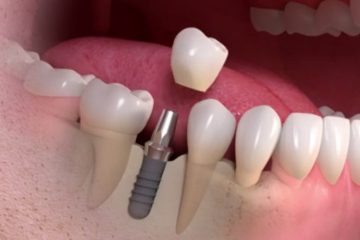
Implant placement once relied heavily on manual measurements and experience. Today, advanced software enables virtual implant planning based on 3D scans of the patient’s jaw. Guided surgery systems use these digital plans to ensure implants are positioned precisely, minimizing complications and improving long-term stability.
This precision ensures optimal bone integration and aesthetics, providing results that look and function like natural teeth.
Laser Dentistry: Painless and Precise
Laser technology has become one of the most groundbreaking tools in modern dental care. It allows for minimally invasive treatments that reduce pain, bleeding, and recovery time.
Types of Lasers Used in Dentistry
- Soft tissue lasers: Ideal for gum reshaping, removing bacteria, and treating periodontal disease.
- Hard tissue lasers: Used for cavity preparation and removing decay without the need for anesthesia in many cases.
Advantages of Laser Treatments
- Faster healing due to reduced tissue trauma
- Minimal need for sutures
- Reduced risk of infection
- Less discomfort and bleeding during procedures
Laser dentistry is now commonly used for teeth whitening, frenectomy (treating tongue-tie), and even treating tooth sensitivity. The precision of laser energy ensures minimal damage to surrounding tissues, resulting in safer and more effective outcomes.
Regenerative Dentistry: The Future of Natural Tooth Restoration
Regenerative dentistry focuses on harnessing the body’s natural healing mechanisms to restore or repair dental tissues. Scientists are now exploring methods to regrow dentin, enamel, and even entire teeth using stem cells and bioactive materials.
Stem Cell-Based Therapies
Stem cells have the ability to transform into different types of tissue. In dentistry, research is underway to use dental pulp stem cells to regenerate lost or damaged tooth structure. This could potentially eliminate the need for traditional fillings, crowns, or implants.
Platelet-Rich Plasma (PRP) in Dental Healing
PRP therapy utilizes the patient’s own blood plasma, rich in growth factors, to accelerate tissue regeneration after surgery or extraction. It enhances healing, reduces inflammation, and minimizes the risk of infection.
The promise of regenerative dentistry represents a shift toward biological solutions that could one day make artificial materials obsolete.
Artificial Intelligence and Predictive Diagnostics
Artificial Intelligence (AI) is reshaping how dentists diagnose, plan, and manage treatments. AI-powered software analyzes dental X-rays and scans with remarkable accuracy, detecting issues such as early decay, bone loss, and oral cancer that might be missed by the human eye.
AI algorithms can also predict future dental problems based on patient data, allowing for preventive care tailored to individual needs. This predictive approach not only reduces treatment costs but also prevents long-term complications.
Applications of AI in Dentistry:
- Early cavity and gum disease detection
- Real-time diagnostic support
- Predictive analysis for orthodontic outcomes
- Virtual patient monitoring
With AI integration, dental practices are becoming more data-driven, enabling more accurate diagnoses and personalized treatment plans.
Teledentistry: Expanding Access to Dental Care
Teledentistry uses digital communication tools to provide remote consultations and follow-ups. This innovation has made dental care more accessible, especially for patients in rural areas or those with mobility challenges.
Through secure video calls and digital imaging, dentists can assess symptoms, prescribe medications, and guide patients through basic oral care at home. This reduces unnecessary clinic visits while ensuring consistent professional oversight.
Benefits of Teledentistry:
- Convenient access to professional advice
- Improved patient follow-up compliance
- Reduced costs for preliminary consultations
Teledentistry also plays a critical role in preventive care by allowing patients to stay connected with their dentist and receive personalized guidance on maintaining oral health.
Minimally Invasive Dentistry: A Patient-Centered Revolution
Minimally invasive techniques focus on preserving as much of the natural tooth structure as possible while addressing disease or decay. Advances in bonding materials, adhesive systems, and micro-tools have made this possible.
Air Abrasion Technology
Air abrasion uses a fine stream of aluminum oxide particles to remove decay without the need for drilling. This approach minimizes heat, vibration, and noise, making the procedure more comfortable for patients, especially children and those with dental anxiety.
Infiltration Technique for Early Decay
When cavities are caught early, they can often be treated without drilling using resin infiltration. This technique involves applying a clear resin that seals microscopic pores in the enamel, stopping decay in its tracks.
These techniques not only reduce discomfort but also extend the lifespan of the natural tooth.
Advancements in Orthodontics: Beyond Metal Braces
Orthodontic care has undergone a major transformation with the advent of clear aligner systems and advanced digital planning. Modern orthodontics now combines 3D imaging, computer modeling, and biocompatible materials to provide precise and discreet solutions.
Smart Aligners and Accelerated Orthodontics
Clear aligners use digital mapping to predict tooth movement accurately. Some newer aligners are equipped with smart sensors that monitor wear time and treatment progress in real-time.
Additionally, techniques like micro-osteoperforations and vibration devices can accelerate tooth movement, reducing treatment duration by up to 50%.
3D-Printed Brackets and Wires
3D printing allows for custom-made brackets and wires tailored to each patient’s unique dental anatomy. This leads to faster results, better comfort, and fewer adjustment appointments.
Advancements in Dental Restorations and Materials
Modern materials are designed to mimic the natural properties of enamel and dentin, both in strength and appearance.
Biomimetic Restorations
Biomimetic dentistry focuses on restoring teeth to their natural biomechanical function using materials that replicate natural tooth elasticity and strength. Composite resins and ceramics now bond more effectively to enamel, minimizing the risk of cracks and secondary decay.
Nanotechnology in Restorative Dentistry
Nanotechnology has introduced materials with superior properties. Nanocomposites and nanoceramics provide enhanced durability, aesthetics, and antibacterial capabilities. They resist staining, mimic light reflection like natural teeth, and last longer than traditional materials.
Smart Dental Materials
Researchers are developing “smart” materials that can detect early signs of decay or release fluoride when pH levels drop. These self-healing substances could eventually prevent cavities before they form.
Sedation and Pain-Free Techniques
Patient comfort has become a central focus in modern dentistry. New sedation methods and pain management systems allow for anxiety-free procedures.
- Needle-free anesthesia systems deliver numbing agents through pressure rather than injections.
- Conscious sedation with nitrous oxide or oral sedatives helps patients stay relaxed during procedures.
- Computer-controlled anesthesia delivery ensures precise dosage and comfort.
These advancements make it easier for patients with dental anxiety or low pain tolerance to receive necessary care without fear or stress.
Digital Smile Design: Personalized Aesthetics
Cosmetic dentistry has also benefited from digital innovation. Digital Smile Design (DSD) allows dentists to create a virtual preview of the patient’s future smile using 3D imaging and facial analysis.
Patients can visualize the expected results before treatment begins, ensuring satisfaction and alignment between expectation and outcome. This technology combines artistry with precision, providing more natural and harmonious results.
Frequently Asked Questions
Q1. What is the most significant recent breakthrough in dental technology?
3D printing and digital imaging are among the most transformative advancements. They enable faster, more accurate, and customized treatments, from implants to orthodontics.
Q2. Are laser dental treatments safe?
Yes. Dental lasers are FDA-approved and extremely safe when used by trained professionals. They minimize bleeding, reduce infection risk, and shorten recovery time.
Q3. How does regenerative dentistry differ from traditional dentistry?
Traditional dentistry relies on artificial materials to restore teeth, while regenerative dentistry focuses on stimulating natural tissue growth using stem cells and bioactive materials.
Q4. Will AI eventually replace dentists?
AI enhances diagnostic accuracy and efficiency but cannot replace the human element of dental care. Dentists will continue to play a critical role in interpreting results and providing personalized treatment.
Q5. Can digital dentistry reduce treatment time?
Absolutely. Digital impressions, same-day crowns, and guided implant surgery streamline procedures that once took weeks into single-day appointments.
The field of dentistry is evolving at an unprecedented pace. The latest advancements in dental treatments are transforming both the patient experience and clinical outcomes. With technologies such as digital imaging, regenerative therapies, and AI integration, modern dental care is more efficient, precise, and patient-centered than ever before.