
How to Maintain Good Oral Hygiene at Home
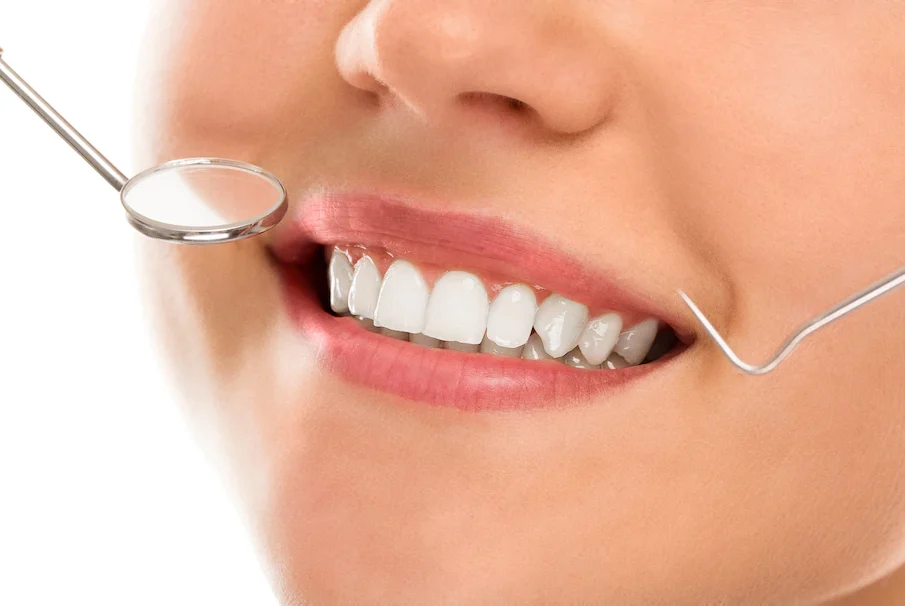
A healthy smile is one of the best indicators of overall well-being. Maintaining good oral hygiene at home goes far beyond keeping your teeth white; it’s essential for preventing cavities, gum disease, and even certain systemic health problems. Consistent oral care reduces the need for invasive treatments, helps maintain fresh breath, and contributes to long-term confidence. Understanding how to maintain good oral hygiene at home is the first step toward achieving lasting dental health.
The Foundation of Effective Oral Hygiene
Maintaining oral health begins with building strong daily habits. Brushing and flossing are fundamental, but the technique, frequency, and tools you use make all the difference. Poor brushing habits or the wrong products can leave plaque behind, which hardens into tartar and leads to tooth decay or gum disease. Developing the right routine ensures your teeth and gums stay healthy year-round.
Choosing the Right Toothbrush and Toothpaste
Not all toothbrushes are created equal. Dentists typically recommend a soft-bristled brush because it’s gentle on the gums yet effective at removing plaque. Hard-bristled brushes can cause enamel erosion and gum irritation over time. Electric toothbrushes are an excellent choice for deeper cleaning, as they provide consistent pressure and reach difficult areas more effectively.
When it comes to toothpaste, select one with fluoride, a key mineral that strengthens enamel and prevents cavities. Avoid whitening toothpastes for daily use if they contain harsh abrasives, as these can wear down enamel with prolonged use. For sensitive teeth, look for toothpaste with potassium nitrate or stannous fluoride to reduce discomfort.
Mastering Proper Brushing Technique
Brushing twice daily is non-negotiable, but technique matters just as much as consistency. Hold the toothbrush at a 45-degree angle toward the gum line and use short, circular motions to remove plaque without damaging the gums. Brush for at least two minutes, covering all surfaces—the outer, inner, and chewing areas of the teeth.
Don’t forget the tongue. Bacteria often accumulate on its surface, contributing to bad breath and bacterial buildup. Use a tongue scraper or gently brush your tongue to remove this layer. After brushing, rinse with water or an alcohol-free mouthwash to complete the cleaning process.
The Importance of Flossing Daily
Brushing alone cannot reach the spaces between teeth where plaque hides. Flossing daily removes debris and bacteria from these tight areas, preventing cavities and gum inflammation. Skipping this step allows food particles to decay, creating an ideal environment for bacteria growth.
When flossing, use about 18 inches of floss and wrap it around your fingers, leaving two inches to work with. Gently guide it between teeth, forming a “C” shape around each tooth and sliding it under the gumline. Avoid snapping the floss, as this can damage gum tissue. If traditional floss is difficult to use, consider alternatives like floss picks, interdental brushes, or water flossers.
Rinsing with Mouthwash for Extra Protection
Mouthwash complements brushing and flossing by reducing oral bacteria and freshening breath. However, not all rinses are the same. Choose an antibacterial or fluoride-based mouthwash to strengthen enamel and protect against decay.
Swish the rinse for 30 seconds after brushing and flossing to ensure it reaches all areas of your mouth. Avoid rinsing with water immediately afterward to allow the protective ingredients to remain on your teeth longer. Alcohol-free mouthwashes are best for daily use, especially for those with sensitive gums or dry mouth.
Nutrition and Oral Health
What you eat significantly impacts your oral hygiene. A balanced diet provides the essential nutrients your teeth and gums need to remain strong. Sugary foods and acidic drinks are among the biggest culprits in tooth decay, while certain foods can actually help clean and strengthen teeth naturally.
Foods That Promote Oral Health
- Dairy Products: Milk, cheese, and yogurt are rich in calcium and phosphates, which strengthen enamel and balance mouth pH.
- Crunchy Fruits and Vegetables: Apples, carrots, and celery help scrub away plaque and stimulate saliva production.
- Leafy Greens: Spinach and kale provide calcium and folic acid, essential for maintaining gum health.
- Green Tea: Contains antioxidants that fight inflammation and inhibit bacterial growth in the mouth.
Foods to Limit or Avoid
- Sugary Snacks and Beverages: Candy, soda, and sweetened coffee feed bacteria that produce acids, eroding enamel.
- Sticky Foods: Caramel or dried fruits cling to teeth and create prolonged exposure to sugar.
- Acidic Drinks: Citrus juices and sports drinks can weaken enamel if consumed frequently.
Drinking plenty of water throughout the day also helps wash away food particles and neutralize acids. It’s one of the simplest and most effective ways to support oral health naturally.
The Role of Saliva in Oral Hygiene
Saliva is your mouth’s natural defense mechanism. It helps neutralize acids, wash away food debris, and deliver minerals that rebuild enamel. A dry mouth, often caused by dehydration, medications, or mouth breathing, can lead to bacterial overgrowth and tooth decay.
To boost saliva production, stay hydrated and chew sugar-free gum containing xylitol, which inhibits bacteria. Avoid frequent alcohol consumption and caffeine, as these can dry out the mouth. Maintaining a moist environment supports natural cleansing and strengthens overall oral health.
Caring for Gums as Part of Oral Hygiene
Healthy gums are just as important as clean teeth. Gum disease begins with plaque buildup along the gumline, leading to inflammation, bleeding, and eventually periodontitis if left untreated. Gentle brushing, regular flossing, and routine dental checkups are essential for keeping gums firm and pink.
Massaging your gums with a soft toothbrush can stimulate blood circulation, promoting faster healing and stronger tissues. If you experience persistent bleeding or swelling, it’s important to seek professional care early to prevent irreversible damage.
Avoiding Harmful Oral Habits
Certain daily habits can silently damage your teeth and gums. Recognizing and eliminating them early helps preserve your oral health.
- Teeth Grinding (Bruxism): Common during sleep or stress, it wears down enamel and can cause jaw pain. A mouthguard at night can help protect your teeth.
- Using Teeth as Tools: Opening packages or biting on hard objects can crack or chip enamel.
- Smoking and Tobacco Use: These habits increase the risk of gum disease, staining, and oral cancer. Quitting tobacco is one of the best decisions for your oral and overall health.
- Overbrushing: Applying too much pressure while brushing can cause gum recession and enamel erosion.
Setting a Consistent Oral Hygiene Routine
Consistency is key when it comes to oral care. Create a structured routine that includes brushing twice daily, flossing once a day, and using mouthwash regularly. Replace your toothbrush every three months or sooner if the bristles fray.
Keep oral care supplies visible and easily accessible as a reminder to stick with the routine. Setting alarms or using oral care apps can also help track your habits and ensure you never skip essential steps.
When to See a Dentist
Even with excellent home care, professional dental checkups are essential. Dentists can detect early signs of decay, gum disease, or bite issues that might not be visible to you. Aim for a visit every six months for a thorough cleaning and exam.
If you experience symptoms like persistent bad breath, tooth sensitivity, bleeding gums, or loose teeth, schedule an appointment right away. Addressing problems early prevents them from developing into complex or costly treatments.
Integrating Oral Hygiene into Lifestyle Choices
Maintaining oral hygiene should be seen as a lifestyle commitment rather than a chore. Simple adjustments can have a lasting impact on dental health:
- Avoid snacking frequently, as this gives bacteria constant access to sugar.
- Choose sugar-free gum after meals to stimulate saliva.
- Rinse your mouth with water after acidic or sugary drinks.
- Maintain a balanced diet rich in vitamins A, C, and D for gum and bone health.
Prioritizing these small habits ensures your efforts at home deliver lasting results.
Frequently Asked Questions
Q1. How long should I brush my teeth each time?
Dentists recommend brushing for at least two minutes each session, twice daily. Using a timer or electric toothbrush with a built-in timer helps ensure proper duration.
Q2. What’s the best type of floss for tight spaces between teeth?
Waxed floss or dental tape glides more easily between tight teeth and reduces the risk of fraying. You can also use a water flosser if traditional floss feels difficult to maneuver.
Q3. Is mouthwash necessary if I brush and floss regularly?
While not mandatory, mouthwash offers additional antibacterial protection and helps reach areas brushing and flossing might miss. It’s particularly beneficial for reducing gum inflammation and improving breath.
Q4. How can I reduce tooth sensitivity at home?
Use toothpaste formulated for sensitive teeth, avoid acidic foods, and switch to a soft-bristled brush. If sensitivity persists, consult your dentist to check for enamel wear or gum recession.
Q5. Can diet really impact my oral hygiene?
Absolutely. Sugary and acidic foods promote bacterial growth and enamel erosion, while calcium-rich foods strengthen teeth and improve gum resilience. A balanced diet is crucial for maintaining long-term oral health.
Developing and maintaining good oral hygiene at home is one of the most effective ways to preserve your smile and overall health. By combining the right techniques, proper tools, and consistent habits, you can prevent most dental problems before they begin and enjoy a clean, confident smile for years to come.