
Nursing in a Changing World: What Professionals Need

Healthcare systems across the globe are undergoing a profound transformation. Demographic shifts, rapid technological breakthroughs, emerging public health crises, and economic pressures have permanently altered the medical landscape. At the center of this evolving environment stands the nursing profession, the largest and most hands-on sector of the clinical workforce.
Nurses have historically balanced technical medical expertise with compassionate bedside care. Today, however, their responsibilities extend far beyond traditional patient monitoring and medication administration. Modern nurses navigate complex digital ecosystems, coordinate care across fragmented specialties, advocate for marginalized patient populations, and address unprecedented rates of workplace fatigue. To deliver high-quality care in this shifting reality, nurses require far more than good intentions. They need modern tools, systemic support, advanced education, and sustainable workplace conditions.
Advanced Technological Fluency Without Losing the Human Element
The integration of artificial intelligence, automated charting, wearable biometric monitors, and telehealth platforms has dramatically altered clinical workflows. While these technologies promise to reduce clerical overhead and minimize diagnostic errors, they also present steep learning curves and significant cognitive load.
Modern nurses must develop comprehensive digital literacy to practice safely and effectively. This capability involves more than simply operating electronic health record systems; it requires interpreting continuous streams of patient data to make rapid clinical decisions.
-
Predictive Analytics and Early Warning Systems: Nurses need the training to interpret predictive algorithms that signal impending patient deterioration, sepsis risks, or cardiac events before overt physical symptoms manifest.
-
Remote Patient Monitoring and Telehealth: The transition toward decentralized, home-based healthcare models demands that nurses master virtual communication channels, assessing non-verbal cues and vital signs across digital screens.
-
Robotics and Automation Navigation: From autonomous pharmacy delivery carts to motorized patient lifting devices, understanding how to integrate mechanical support into physical rounds protects nurses from musculoskeletal strain.
-
Data Security and Medical Ethics: As digital patient profiles expand, bedside nurses stand on the front lines of safeguarding patient privacy and managing the ethical implications of automated clinical recommendations.
Crucially, modern training must teach nurses how to keep technological devices from dominating their focus during direct patient interactions. Preserving the therapeutic nurse-patient bond remains vital, even as monitors and tablets become central to daily work.
Structural and Institutional Support for Psychological Well-Being
The physical, mental, and emotional demands placed on nursing professionals have reached critical levels. Moral injury, secondary traumatic stress, and chronic burnout frequently lead experienced nurses to leave the bedside, worsening staffing shortages and destabilizing entire healthcare networks.
To thrive, nurses require genuine institutional backing rather than superficial wellness seminars. Meaningful workplace support must be concrete, proactive, and embedded into hospital administration policies.
Safe Staffing Ratios and Workload Caps
No technological innovation or resilience training can compensate for chronically unsafe patient-to-nurse ratios. When a nurse is tasked with overseeing more acute patients than is clinically safe, care standards drop, medication errors multiply, and nurse exhaustion accelerates. Institutions must implement clear, enforceable staffing limits based on patient acuity rather than solely on census numbers.
Dedicated Mental Health Resources and Decompression Spaces
Healthcare systems must normalize mental healthcare for clinicians. Providing confidential, on-site psychological support, structured peer debriefing after traumatic events, and dedicated quiet rooms away from clinical buzz allows nurses to process intense emotional stress before returning to patient rounds.
Protection Against Workplace Violence
Nurses face alarmingly high rates of verbal abuse and physical violence from patients, visitors, and family members. Facilities must invest in comprehensive security protocols, physical barriers in high-risk zones like emergency departments, zero-tolerance reporting policies, and regular de-escalation training to ensure that nurses remain safe while carrying out their duties.
Evolving Educational Models and Specialized Clinical Training
The days of completing a nursing degree and relying solely on that initial knowledge base for a lifelong career are gone. The accelerated pace of medical research and pharmacology requires continuous, lifelong education.
Nurses need accessible, employer-supported pathways to upgrade their clinical skills and pursue advanced degrees.
-
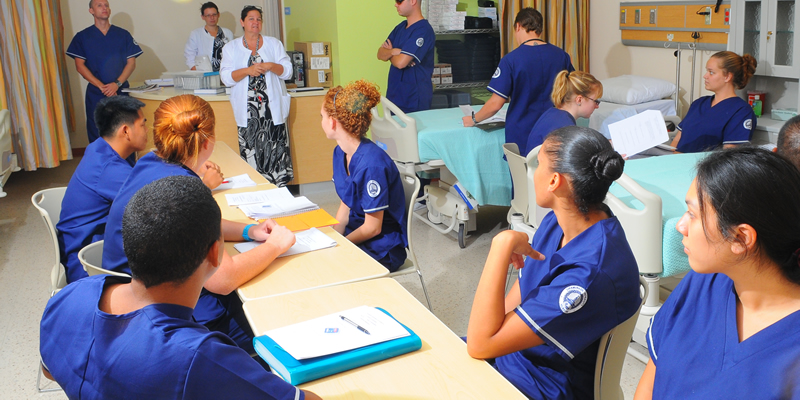
Transition-to-Practice Residencies: New nursing graduates need structured residency programs spanning six to twelve months. These programs pair novice nurses with experienced preceptors, bridging the gap between academic theory and high-stress clinical realities.
-
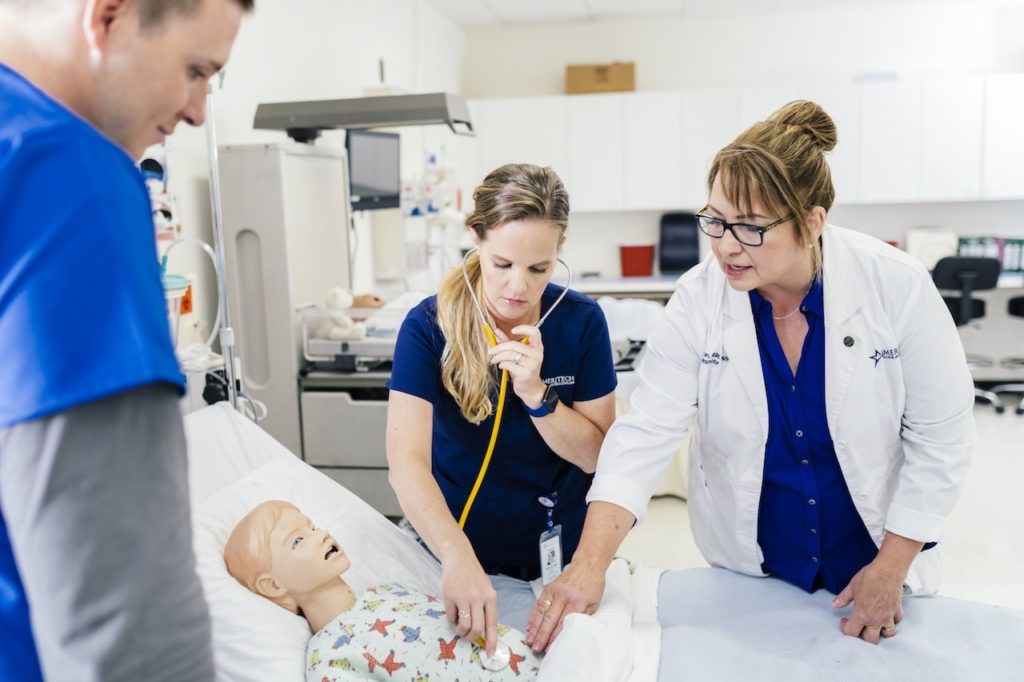
Interprofessional Simulation Labs: Modern medical training emphasizes cross-disciplinary collaboration. High-fidelity simulation labs allow nurses, physicians, pharmacists, and respiratory therapists to rehearse complex crisis events together in controlled environments.
-
Genomic and Precision Medicine Education: As targeted cancer therapies and pharmacogenomics become routine, nurses must understand how a patient’s genetic profile affects medication metabolism, drug interactions, and treatment plans.
-
Leadership and Policy Development: To reshape broken healthcare processes, nurses need formal education in health economics, operational leadership, and legislative advocacy, equipping them to shape clinical protocols from the boardroom down.
Cultural Humility and Community-Centered Care
Populations across the United States are increasingly diverse, with patients presenting wide variations in cultural beliefs, languages, socio-economic backgrounds, and health literacy levels. To provide equitable care, modern nurses must move past basic cultural awareness toward deep cultural humility.
Cultural humility recognizes that healthcare professionals must continuously evaluate their own subconscious biases and acknowledge the structural barriers that hinder patients from achieving optimal wellness.
Nurses need training in addressing the social determinants of health. These factors include food insecurity, transportation barriers, unstable housing, and financial strain. When a patient cannot afford their prescribed insulin or lives in a neighborhood without clean water, a strictly clinical intervention is doomed to fail. Modern nurses must be equipped to collaborate seamlessly with medical social workers, case managers, and community health networks to address the upstream roots of illness.
Interprofessional Collaboration and Autonomous Scope of Practice
Hierarchical, siloed healthcare models are inefficient and detrimental to patient outcomes. Delivering high-quality patient care in a fast-paced clinical world requires true interprofessional collaboration where the nurse’s clinical assessments are valued equally with those of attending physicians.
At the same time, expanding the scope of practice for Advanced Practice Registered Nurses is essential for bridging primary care gaps, particularly in rural and underserved urban populations. Nurse practitioners, clinical nurse specialists, certified registered nurse anesthetists, and certified nurse midwives have consistently proven their ability to provide safe, cost-effective, high-quality care. Modern legislation must remove outdated supervisory mandates that artificially restrict these professionals from practicing to the full extent of their education and clinical certification.
Building Resilient Pathways for the Future of Healthcare
The future of healthcare depends entirely on the stability, expertise, and retention of its nursing workforce. The challenges facing modern healthcare systems cannot be solved without placing nurses in positions of operational influence and ensuring they have the institutional resources necessary to succeed.
Investing in nurses is not a discretionary expense; it is a foundational necessity for any viable healthcare system. When hospitals, universities, and governing bodies provide nurses with ergonomic tools, safe staffing environments, continuous education, and psychological safety, patient mortality decreases, complications drop, and the entire medical ecosystem grows stronger.
Frequently Asked Questions
What is the distinction between burnout and moral injury in the nursing profession?
Burnout refers to a state of emotional, mental, and physical exhaustion caused by prolonged, unmanaged workplace stress. Moral injury occurs when healthcare professionals are repeatedly forced to witness or participate in situations that violate their personal ethics and professional vows, such as being unable to provide ideal care due to severe resource constraints or restrictive corporate policies.
How does climate change influence the daily clinical practice of bedside nurses?
Climate change alters disease patterns and surges patient volumes through more frequent severe weather events, extreme heat emergencies, and shifting vectors for infectious diseases like Lyme disease and West Nile virus. Nurses must manage an increase in climate-related respiratory illnesses, dehydration, and heatstroke, while also preparing for hospital infrastructure disruptions caused by natural disasters.
Why are structured nurse residency programs becoming a standard expectation for new graduates?
Healthcare facilities treat patients with far higher acuity levels than in previous decades, and early clinical rotations rarely expose students to the full administrative and clinical workload of a complete shift. Structured nurse residency programs provide prolonged mentorship, decrease first-year turnover rates, build confidence, and significantly lower clinical errors during the critical transition into independent practice.
In what specific ways does full practice authority for nurse practitioners benefit underserved communities?
Full practice authority allows nurse practitioners to evaluate patients, diagnose illnesses, interpret laboratory tests, and prescribe medications without requiring a formal contractual agreement with a supervising physician. In rural and lower-income regions with severe physician shortages, this autonomy dramatically expands community access to primary care, preventive screenings, and chronic disease management.
How can healthcare institutions systematically reduce charting burdens for bedside staff?
Institutions can reduce documentation burdens by adopting ambient voice-recognition software that records patient encounters automatically, streamlining clinical charting templates to eliminate redundant data entry, and using mobile point-of-care tablets so nurses can document vital signs and assessments immediately at the bedside rather than at a distant nursing station.
What specific role do nurses play in identifying and addressing the social determinants of health?
Nurses are typically the clinical staff members who spend the most uninterrupted time with patients, placing them in the ideal position to conduct social health screenings. By routinely asking targeted questions regarding housing stability, nutrition, transportation access, and financial constraints, nurses identify key obstacles to recovery and immediately initiate referrals to community resources and social workers.
How do generational differences within the nursing workforce impact hospital culture and operations?
Modern nursing departments often bring together baby boomers, Generation X, millennials, and Generation Z within the same unit. These generations often hold varying perspectives on workplace flexibility, communication styles, and technological adoption. Successful healthcare systems navigate these differences by building reciprocal mentorship programs, pairing seasoned nurses who possess rich clinical intuition with younger nurses who often adapt more quickly to emerging digital workflows.