

Top Warning Signs of Gallbladder and Bile Duct Stones
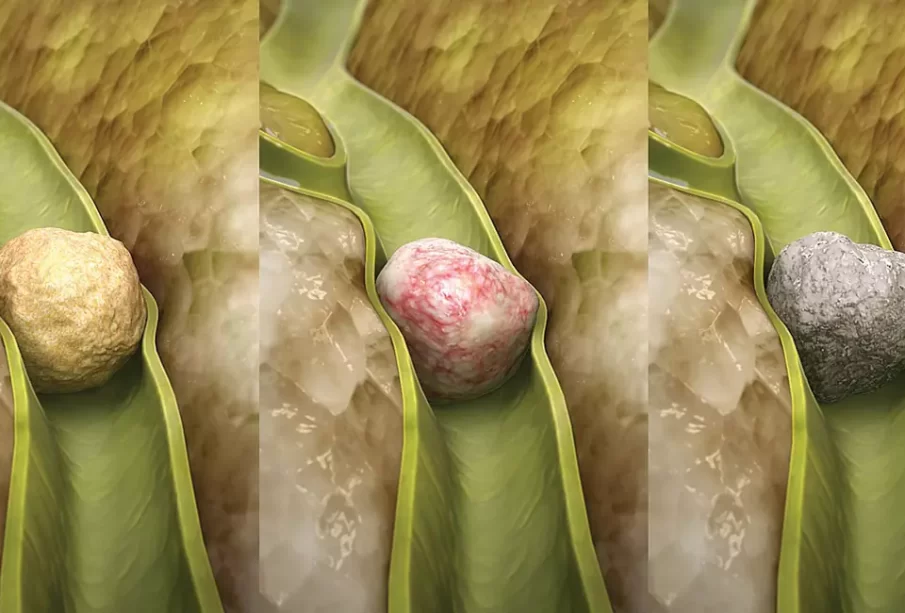
Gallbladder and bile duct stones are common yet often misunderstood health conditions. These stones form when compounds in bile crystallise, leading to blockages and inflammation in the bile duct, known as choledocholithiasis, or in the gallbladder itself (gallstones). If left untreated, these conditions can cause severe complications. Early detection is crucial to managing symptoms effectively and preventing further health risks.
Here’s what you need to know about the warning signs and symptoms of gallbladder and bile duct stones to take action promptly.
Common Types of Gallstones
Gallbladder stones generally fall into three categories:
- Cholesterol stones – Typically yellow or green, caused by excess cholesterol in bile.
- Pigment stones – Dark stones primarily linked to blood disorders or liver conditions like cirrhosis.
- Mixed stones – Sticky, mud-like stones often resulting from infection near the liver, bile ducts, or pancreas.
Warning Signs You Shouldn’t Ignore
Pay attention to these symptoms, as they often signal gallbladder or bile duct stones:
- Abdominal Pain
– Pain in the upper right abdomen, especially after consuming fatty meals, is a classic symptom.
– This discomfort fluctuates in intensity, sometimes radiating to the back or right shoulder.
- Nausea and Vomiting
– Persistent feelings of nausea and occasional vomiting can accompany abdominal pain.
- Bloating and Indigestion
– Feeling unusually full, even after eating small portions.
- Jaundice (Yellow Skin and Eyes)
– If stones block the bile duct, bile may back up into the liver, causing jaundice. This is a clear signal to consult a healthcare professional immediately.
- Dark-Coloured Urine and Pale Stools
– Changes in urine and stool colour often indicate blockage in bile flow.
- Fever and Chills
– Associated with an infection due to blocked bile ducts, fever, accompanied by chills, is a red flag for immediate medical attention.
Link to Additional Information
For a detailed overview of gallstone management options and preventive measures, visit http://www.phatara-thonburi.com/knowledge-gallstone.php.
Why Prompt Action Matters
Left untreated, gallstones can lead to life-threatening complications, including:
- Acute cholecystitis (gallbladder inflammation)
- Pancreatitis (inflammation of the pancreas)
- Severe infections in the bile ducts (cholangitis)
Minimally invasive techniques like laparoscopic cholecystectomy and ERCP offer effective solutions for removing gallstones safely while reducing recovery time.
Preventive Tips
- Limit fatty or greasy foods.
- Stay hydrated to prevent bile crystallisation.
- Seek regular check-ups if you’re predisposed to gallstones.
Understanding the top warning signs for gallbladder and bile duct stones is the first step toward better health. If you’re experiencing any of these symptoms, consult a medical professional without delay.