
Why Do Children Develop Fever After Vaccination?
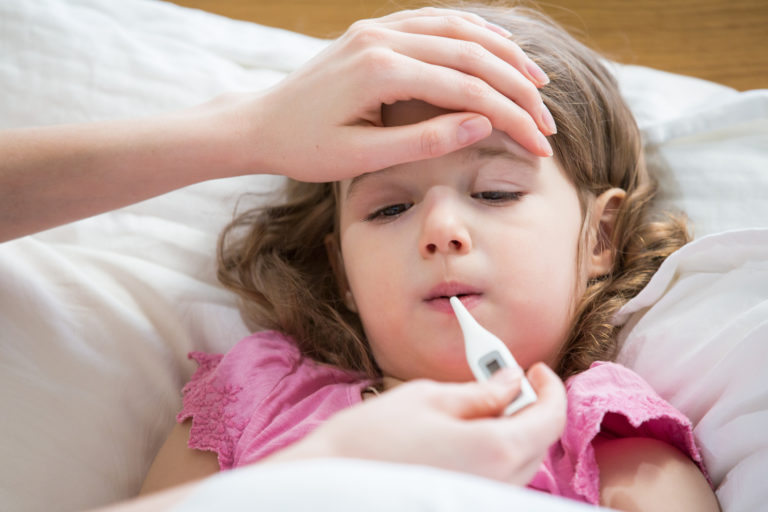
Vaccinations are an important part of protecting children against serious infectious diseases. While most children tolerate vaccines well, it is not uncommon for some to develop a mild fever after receiving certain immunisations. For many parents, seeing an elevated temperature shortly after a vaccination can be worrying, especially if it is their child’s first immunisation.
In most cases, pediatric fever following vaccination is a normal and temporary response that reflects the body’s immune system building protection. Understanding why this happens, what to expect, and when to seek medical advice can help parents feel more confident about caring for their child after a vaccination appointment.
Why Does Fever Occur After Vaccination?
Vaccines work by introducing weakened, inactivated, or selected components of a virus or bacteria to the immune system. These components cannot cause the disease they are designed to prevent, but they help the body recognise the infection and develop immunity.
As the immune system responds, it releases substances that stimulate protective immune cells. This natural process can sometimes raise the body’s temperature, resulting in a mild fever.
For most children, the fever develops within a day or two after vaccination and resolves on its own without causing any lasting problems.
Is Fever After Vaccination Normal?
Yes, a mild fever is considered one of the common side effects of many childhood vaccines. Along with fever in children, some children may also experience:
- Mild redness or swelling at the injection site
- Temporary soreness
- Fussiness or irritability
- Sleepiness
- Reduced appetite
- Mild fatigue
These reactions are usually short-lived and indicate that the immune system is responding to the vaccine as intended. Not every child develops a fever after vaccination. The absence of fever does not mean the vaccine is less effective.
Which Vaccines Are More Likely to Cause Fever?
Some childhood vaccines are more commonly associated with temporary fever than others. Examples include vaccines that protect against:
- Measles, mumps, and rubella (MMR)
- Pneumococcal disease
- Diphtheria, tetanus, and pertussis (DTaP)
- Influenza
- Combination childhood vaccines
The likelihood and timing of fever vary depending on the specific vaccine. Your healthcare provider can explain what side effects are commonly expected following your child’s immunisation.
How High Can the Fever Be?
Most post-vaccination fevers are mild and remain below 39°C.
A mild children’s fever often appears within 24 to 48 hours after vaccination, although some vaccines may cause fever several days later. The fever generally resolves within one or two days without requiring extensive treatment.
Parents should continue monitoring their child’s temperature and overall behaviour rather than focusing solely on the thermometer reading.
How Can Parents Help Their Child Feel More Comfortable?
Most children recover quickly with simple supportive care. Parents can help by:
- Offering plenty of fluids to maintain hydration
- Dressing the child in lightweight clothing
- Allowing adequate rest
- Monitoring their temperature periodically
- Following medical advice regarding fever-reducing medication if recommended
It is important to avoid giving medications routinely before vaccination unless specifically advised by a healthcare professional, as recommendations may vary depending on the child’s age and medical history.
Providing reassurance and comfort can also help children feel more settled during the recovery period.
When Should Parents Seek Medical Advice?
Although mild fever is usually expected, there are situations where medical assessment is appropriate. Seek medical attention if your child:
- Develops a very high fever
- Has difficulty breathing
- Experiences persistent crying that is difficult to soothe
- Appears unusually drowsy or difficult to wake
- Has a seizure
- Develops signs of a severe allergic reaction, such as swelling of the face or difficulty breathing
- Has symptoms that continue for several days or appear to worsen
These reactions are uncommon but should always be assessed promptly by a healthcare professional.
Can Fever Be Prevented?
There is no guaranteed way to prevent children’s fever after vaccination because it is part of the body’s natural immune response.
However, ensuring your child is well rested, adequately hydrated, and healthy before attending the vaccination appointment may help them recover more comfortably afterward.
Your healthcare provider can also advise you on what side effects are expected for the specific vaccines your child will receive.
Conclusion
Every child responds differently to vaccination. Some experience no side effects at all, while others may have mild symptoms such as a temporary fever or soreness at the injection site.
Maintaining open communication with your healthcare provider allows you to better understand what to expect before and after your child’s vaccination appointment. If you have any concerns about children fever or other post-vaccination reactions, seek professional medical advice rather than relying on misinformation from unverified sources.
With the right information and appropriate aftercare, parents can feel confident supporting their children through each stage of their vaccination journey while helping protect them against vaccine-preventable diseases.