

Advancing Tobacco Control in Thailand Under the WHO FCTC
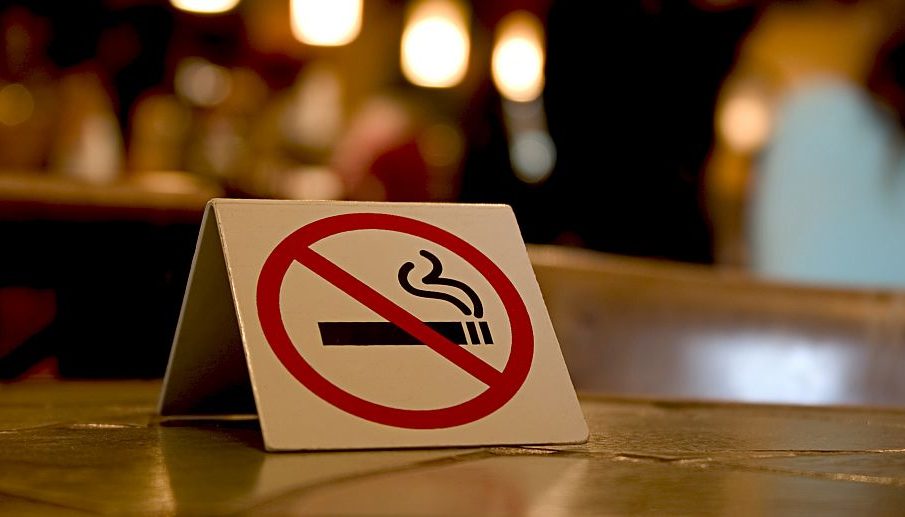
Thailand has made substantial strides in public health, particularly in its efforts to reduce tobacco use among its population. A significant part of this progress is linked to the nation’s commitment to the World Health Organization Framework Convention on Tobacco Control (WHO FCTC). This international treaty provides a roadmap for countries to implement effective tobacco control policies. By adopting these guidelines, Thailand has established a robust foundation for protecting its citizens from the harms of tobacco consumption and exposure to secondhand smoke.
The journey of the WHO FCTC ประเทศไทย (known as WHO FCTC ประเทศไทย in Thai) initiative demonstrates a dedicated approach to public health policy. Over the years, the country has successfully implemented several measures outlined in the framework. These include graphic health warnings on cigarette packs, restrictions on tobacco advertising and sponsorship, and the establishment of smoke-free public spaces. These actions have contributed to a noticeable decline in smoking rates and have helped shift public perception regarding tobacco use from a personal choice to a public health issue.
However, the path to a tobacco-free society is not without its difficulties. New challenges continually emerge, testing the resilience of the country’s public health systems. The rise of novel tobacco and nicotine products presents a complex situation for regulators. Furthermore, ensuring consistent enforcement of existing laws across all provinces requires continuous effort and resources. Addressing these issues is fundamental to maintaining the momentum of Thailand’s tobacco control efforts and safeguarding the health of future generations.
One of the most effective strategies has been the integration of tobacco control into broader public health campaigns. Education plays a vital role in prevention, especially among young people. School-based programmes and community outreach initiatives are essential for raising awareness about the dangers of smoking and the benefits of a smoke-free life. These programmes empower individuals with the knowledge to make informed decisions about their health.
Community involvement is another cornerstone of successful tobacco control. When local communities actively participate in creating and maintaining smoke-free environments, the impact is profound. From villages to urban neighbourhoods, local leadership and collective action help reinforce national policies at the grassroots level. This collaborative approach fosters a sense of shared responsibility for public health.
Looking ahead, Thailand’s continued adherence to the WHO FCTC will be essential. Strengthening surveillance and monitoring of tobacco industry tactics, adapting policies to address new products, and enhancing cessation support services are all important next steps. By building on its past successes and tackling current challenges with determination, Thailand can continue to advance its public health goals and create a healthier future for all its people.