

How a Fitness Trainer Can Improve Your Workout Routine
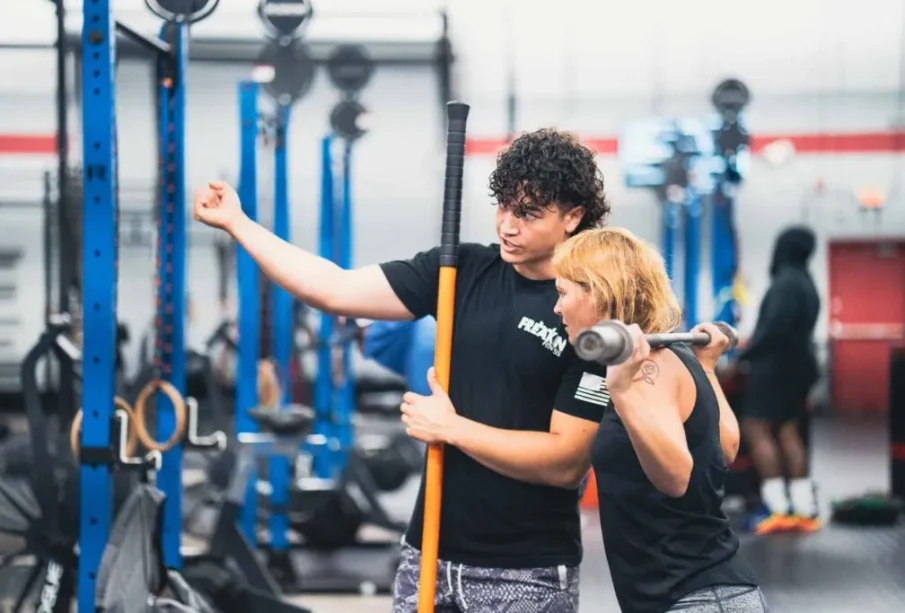
Many people begin their fitness journey with enthusiasm, only to lose momentum when results slow down or workouts become monotonous. While self-motivation plays a major role, progress often requires professional guidance to optimize technique, consistency, and strategy. This is where understanding how a fitness trainer can improve your workout routine becomes crucial. A fitness trainer not only helps you achieve results faster but ensures that every minute you spend exercising delivers measurable progress safely and efficiently.
Understanding the Value of Professional Guidance
A fitness trainer’s role goes far beyond simply counting repetitions or demonstrating exercises. They are experts in biomechanics, physiology, and personalized programming. Their approach combines science, structure, and accountability to transform an average routine into a purpose-driven regimen.
Trainers assess your goals, fitness level, and limitations before designing a plan that aligns with your body’s needs. Whether you aim to build muscle, lose fat, enhance endurance, or rehabilitate an injury, their expertise ensures each session is purposeful.
In essence, a good fitness trainer takes the guesswork out of training. They help you navigate the overwhelming amount of fitness information available and guide you toward what truly works for your unique situation.
Personalized Program Design for Maximum Efficiency
Every individual has distinct physiological characteristics, from metabolism to muscle fiber composition. Generic workout plans fail to account for these differences, often leading to stagnation or burnout.
A fitness trainer creates a program that’s fully customized to your abilities, preferences, and goals. This includes adjusting intensity, exercise selection, rest intervals, and progression based on real-time feedback.
How Trainers Customize Your Workouts
- Assess current fitness level: Trainers use strength, mobility, and endurance assessments to establish a baseline.
- Set clear, measurable goals: Whether it’s improving your deadlift strength or running a 5K, they help set realistic milestones.
- Adapt to your schedule: A trainer can optimize workout frequency to fit your lifestyle while ensuring consistent progress.
- Monitor and adjust over time: As your body adapts, your trainer recalibrates the routine to prevent plateaus.
This dynamic approach ensures that your training remains effective and continuously challenges your body to improve.
Correct Form and Technique: The Foundation of Safety and Progress
Improper exercise form is one of the most common causes of injuries and stalled progress. Without guidance, even experienced gym-goers can unknowingly perform movements incorrectly, placing unnecessary strain on joints and muscles.
Fitness trainers prioritize form over volume or intensity. They teach you how to execute each exercise with precision, focusing on muscle engagement, breathing techniques, and posture.
For example, a simple squat can either strengthen your lower body or lead to knee pain depending on your form. A trainer ensures you’re moving efficiently, activating the right muscles, and avoiding compensations.
Correct form not only prevents injuries but also maximizes results by targeting muscles effectively. Over time, your improved mechanics enhance overall strength and performance.
Motivation and Accountability
Motivation tends to fluctuate, but accountability ensures consistency. One of the greatest advantages of working with a fitness trainer is having someone who keeps you committed to your goals.
Trainers create structured schedules that hold you accountable for each session. They track progress, celebrate small victories, and provide encouragement when motivation dips. This consistent support helps transform exercise from a temporary habit into a long-term lifestyle.
Accountability also extends beyond workouts. Trainers often monitor nutrition habits, sleep quality, and stress levels, ensuring a holistic approach to fitness. This all-around guidance prevents burnout and keeps you moving forward, even when life gets demanding.
Overcoming Plateaus Through Strategic Adjustments
Hitting a plateau is one of the most frustrating parts of fitness. You work hard, but progress stalls. This usually happens when your body adapts to your routine and stops responding to the same stimuli.
A fitness trainer identifies plateaus early and introduces strategic variations to reignite progress. This can include adjusting rep ranges, modifying intensity, or incorporating advanced techniques like supersets, drop sets, or tempo training.
By systematically varying your workouts, trainers keep your body guessing and ensure continuous adaptation. They also use data-driven methods, such as strength testing or heart rate monitoring, to make precise decisions about when to push harder or when to recover.
Enhancing Efficiency and Time Management
In today’s fast-paced world, time is one of the most valuable resources. Many people spend hours at the gym without making meaningful progress because their routines lack structure.
A trainer helps you maximize every minute of your workout. They design sessions that focus on compound movements and functional exercises that deliver maximum results in minimal time. High-intensity interval training (HIIT), circuit training, and supersets are often incorporated to enhance calorie burn and improve cardiovascular health efficiently.
This approach ensures that even short sessions yield measurable benefits. With a trainer’s guidance, you learn to train smarter, not longer.
Integrating Nutrition with Exercise
No workout program can succeed without proper nutrition. While trainers are not dietitians, many are educated in basic nutritional principles that complement physical training.
They can help you understand macronutrient balance, meal timing, and hydration strategies to support recovery and performance. For instance, a trainer may advise increasing protein intake to aid muscle repair or adjusting carbohydrate consumption based on activity levels.
In addition, they help debunk common diet myths and guide you toward sustainable eating habits. This holistic integration of nutrition and exercise enhances energy levels, improves body composition, and accelerates results.
Injury Prevention and Recovery Support
Even the most disciplined athletes are prone to overuse injuries or muscle imbalances. Trainers are trained to recognize early warning signs and modify workouts before injuries occur.
They use prehabilitation exercises to strengthen weak areas and maintain joint stability. When injuries do occur, trainers collaborate with healthcare professionals or adjust routines to accommodate healing while maintaining fitness.
By teaching proper warm-ups, mobility drills, and recovery techniques, trainers help you maintain peak performance without compromising safety.
The Psychological Impact of Working with a Trainer
Fitness is as much a mental challenge as it is a physical one. Many people struggle with self-doubt, gym anxiety, or unrealistic expectations. A fitness trainer helps reshape your mindset by fostering confidence, discipline, and self-efficacy.
Trainers teach you to focus on progress rather than perfection. Through consistent encouragement, they help shift your perspective from short-term outcomes to long-term growth. This mental resilience extends beyond the gym, improving confidence and focus in other areas of life.
Incorporating Technology and Data-Driven Training
Modern fitness trainers utilize technology to track performance and fine-tune programs. Tools such as heart rate monitors, wearable trackers, and digital fitness apps provide detailed insights into your progress.
Trainers analyze this data to adjust workouts for optimal efficiency. For example, they can measure recovery rates, monitor caloric expenditure, or evaluate cardiovascular endurance improvements. This scientific approach eliminates guesswork and ensures you’re always training within your ideal intensity zones.
Long-Term Education and Self-Sufficiency
One of the most valuable benefits of having a trainer is the knowledge you gain. Trainers educate you about exercise science, anatomy, and training principles so you can eventually make informed decisions on your own.
They teach you how to structure balanced routines, identify overtraining signs, and maintain proper technique independently. This empowerment transforms fitness into a lifelong skill rather than a temporary project.
Even after clients stop working with a trainer, they retain the habits, discipline, and understanding necessary to sustain results.
Specialized Training for Unique Goals
Different fitness goals require unique training strategies. Trainers specialize in various disciplines, allowing them to tailor programs accordingly.
Examples of Specialized Focus Areas
- Strength and conditioning: For athletes or individuals seeking performance improvements.
- Weight management: Combining metabolic conditioning with lifestyle modifications for fat loss.
- Functional training: Improving mobility, balance, and coordination for daily life performance.
- Rehabilitation and corrective exercise: Helping clients recover from injuries or postural issues.
- Sports-specific training: Enhancing agility, power, and endurance for particular sports.
This specialization ensures that every client receives the most relevant and effective approach for their desired outcome.
Building Consistency and Lifestyle Change
The ultimate goal of a fitness trainer is to help clients build consistency. Lasting results come from sustainable habits, not temporary effort. Trainers encourage realistic goal setting, time management, and routine development that fit seamlessly into daily life.
By fostering a positive relationship with exercise, trainers help clients view fitness not as a chore but as an essential part of their lifestyle. This mindset shift is what leads to long-term success and overall well-being.
Frequently Asked Questions
Q1. How quickly can I expect results after working with a fitness trainer?
Results depend on factors such as consistency, nutrition, and current fitness level. Most clients notice significant improvements in strength, energy, and body composition within 6–8 weeks of structured training.
Q2. Can beginners benefit from hiring a trainer?
Absolutely. Trainers teach proper form, build foundational strength, and help beginners develop confidence while preventing bad habits early on.
Q3. Do I need to train with a fitness trainer forever?
Not necessarily. Many clients work with trainers until they’ve learned enough to train independently. Others maintain ongoing sessions for accountability and motivation.
Q4. How do trainers adjust workouts for injuries or limitations?
Trainers modify exercises, reduce intensity, and focus on alternative movements that maintain fitness while allowing the body to recover safely.
Q5. Are online fitness trainers effective?
Yes, online coaching can be highly effective when guided by a certified trainer who provides customized plans, progress tracking, and consistent communication.
A fitness trainer transforms your workout routine from random activity into a structured, results-driven system. Through expert guidance, personalized strategy, and consistent motivation, they help you achieve lasting success while keeping you safe, efficient, and inspired throughout your fitness journey.