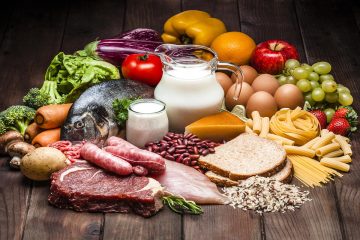

How Nutrition Impacts Your Immune System

The immune system is the body’s sophisticated defense mechanism, constantly protecting us from pathogens, infections, and diseases. While genetics and environment play important roles in immune strength, one of the most influential factors is nutrition. The relationship between diet and immunity is deeply rooted in biochemistry, where the nutrients we consume determine how efficiently our immune cells function. Understanding how nutrition impacts your immune system helps you take control of your health, reduce illness frequency, and improve recovery times naturally.
The Science Behind the Immune System
The immune system is a complex network of cells, tissues, and organs that collaborate to detect and destroy harmful invaders such as bacteria, viruses, fungi, and toxins. It operates on two primary levels: the innate immune system and the adaptive immune system.
- The innate immune system acts as the body’s first line of defense. It includes physical barriers like the skin, mucous membranes, and immune cells such as macrophages and neutrophils that provide rapid, non-specific responses to threats.
- The adaptive immune system provides long-term protection through specialized cells like T-cells and B-cells, which create antibodies and memory responses to specific pathogens.
Both systems rely heavily on proper nutrition to function efficiently. Without the right nutrients, immune cells cannot multiply, communicate, or neutralize pathogens effectively.
Nutrients That Strengthen the Immune System
1. Vitamin C: The Antioxidant Shield
Vitamin C is one of the most well-known immune-boosting nutrients. It supports several cellular functions of both the innate and adaptive immune systems. Acting as a powerful antioxidant, it protects immune cells from damage caused by free radicals produced during infection.
Vitamin C also enhances the production and function of white blood cells, particularly phagocytes and lymphocytes, which help fight infections. It assists in wound healing and strengthens skin barriers, which are critical in preventing pathogen entry.
Rich sources include: oranges, strawberries, kiwi, bell peppers, broccoli, and kale.
2. Vitamin D: The Immunoregulatory Hormone
Often referred to as the “sunshine vitamin,” vitamin D plays a vital role in modulating immune responses. It enhances the pathogen-fighting effects of monocytes and macrophages—white blood cells essential for innate immunity—and decreases inflammation.
Deficiency in vitamin D is linked to increased susceptibility to respiratory infections and autoimmune disorders. Regular exposure to sunlight, fortified foods, and supplements (if necessary) can help maintain optimal levels.
Rich sources include: fatty fish (salmon, tuna, mackerel), fortified dairy, egg yolks, and sunlight exposure.
3. Zinc: The Cellular Defender
Zinc is essential for immune cell development and communication. It supports the activation of T-lymphocytes and helps regulate inflammation. Zinc also acts as an antioxidant, protecting cells from oxidative stress caused by infection.
Even mild zinc deficiency can impair immune function, slowing wound healing and increasing vulnerability to infections.
Rich sources include: oysters, lean meats, chickpeas, lentils, and pumpkin seeds.
4. Vitamin A: The Mucosal Barrier Protector
Vitamin A maintains the integrity of mucosal barriers in the respiratory and gastrointestinal tracts—both crucial in preventing infections. It also regulates immune responses and supports the development of T and B lymphocytes.
Deficiency in vitamin A weakens the body’s ability to repel infections, particularly in children.
Rich sources include: sweet potatoes, carrots, spinach, and fortified cereals.
5. Vitamin E: The Inflammation Modulator
Vitamin E acts as a potent antioxidant, protecting immune cells from oxidative damage and supporting the function of T-cells. It helps regulate the balance between pro-inflammatory and anti-inflammatory signals in the body.
Rich sources include: almonds, sunflower seeds, avocados, and olive oil.
6. Iron: The Oxygen Transporter
Iron is vital for the proliferation and maturation of immune cells, especially lymphocytes. It enables red blood cells to transport oxygen to tissues, supporting energy metabolism required for immune defense.
However, iron balance is delicate—both deficiency and excess can impair immune function.
Rich sources include: red meat, lentils, spinach, and fortified grains.
7. Selenium: The Antiviral Trace Mineral
Selenium boosts the production of cytokines and enhances antioxidant defense, helping neutralize free radicals. Studies show selenium deficiency can increase the severity of viral infections.
Rich sources include: Brazil nuts, tuna, turkey, and eggs.
8. Protein: The Structural Foundation
Proteins provide amino acids necessary for the creation of antibodies, enzymes, and immune signaling molecules. Without sufficient protein intake, the immune system struggles to generate new immune cells and repair tissue damage.
Rich sources include: poultry, fish, tofu, eggs, and legumes.
How Malnutrition Weakens Immunity
Malnutrition, whether due to deficiency or excess, disrupts immune function at multiple levels.
- Protein-energy malnutrition weakens barrier function, reducing the body’s ability to prevent infections.
- Micronutrient deficiencies (such as vitamins A, C, D, E, and zinc) reduce immune cell activity and slow wound healing.
- Overnutrition and obesity create chronic low-grade inflammation, impairing immune response and increasing vulnerability to infections like influenza and COVID-19.
Balanced nutrition ensures the immune system remains resilient, responsive, and efficient in identifying and neutralizing pathogens.
The Gut-Immune Connection
Approximately 70% of the immune system resides in the gut, primarily within the gut-associated lymphoid tissue (GALT). The gut microbiome—a vast community of trillions of bacteria—plays a central role in regulating immune responses.
When gut bacteria are in balance, they produce short-chain fatty acids (SCFAs) that reduce inflammation and strengthen intestinal barriers. However, poor diet choices, such as high sugar and low fiber intake, disrupt this balance, leading to “leaky gut” and immune dysfunction.
To maintain a healthy gut microbiome, include the following in your diet:
- Probiotic foods: yogurt, kefir, sauerkraut, kimchi, and miso.
- Prebiotic foods: bananas, garlic, onions, asparagus, and oats.
A fiber-rich diet feeds beneficial bacteria, promoting overall immune efficiency and reducing the risk of autoimmune disorders.
The Role of Antioxidants in Immune Health
Oxidative stress occurs when free radicals overwhelm the body’s antioxidant defenses, damaging immune cells. Nutrients like vitamins C and E, selenium, and polyphenols act as antioxidants that protect against this damage.
Antioxidants neutralize free radicals, allowing immune cells to function optimally. Diets rich in colorful fruits, vegetables, and whole grains provide a wide range of antioxidant compounds that reduce inflammation and enhance immunity.
The Impact of Hydration on Immunity
Water is critical for transporting nutrients, oxygen, and immune cells throughout the body. It also helps flush toxins and waste products, maintaining a clean internal environment. Dehydration thickens mucus and slows immune response, making it easier for pathogens to invade.
Aim to drink sufficient water daily based on your body weight and activity level. Herbal teas and water-rich foods like cucumbers, watermelon, and oranges can also contribute to hydration.
Lifestyle Factors That Complement Nutrition
While nutrition forms the foundation of immune health, other lifestyle habits enhance its impact:
- Regular exercise improves circulation, ensuring immune cells reach every part of the body efficiently.
- Adequate sleep allows the body to repair tissues and produce immune-regulating cytokines.
- Stress management reduces cortisol, a hormone that suppresses immune activity when chronically elevated.
- Avoiding smoking and excessive alcohol prevents oxidative stress and nutrient depletion that impair immune defense.
When combined with proper nutrition, these habits create a strong, balanced immune system capable of responding quickly and effectively to pathogens.
Nutritional Strategies to Support Immunity Year-Round
Building immune resilience is a long-term commitment, not a quick fix. To maintain strong immune function:
- Eat a diverse diet filled with colorful fruits and vegetables.
- Include lean proteins and healthy fats with every meal.
- Limit processed foods, refined sugars, and trans fats.
- Stay hydrated throughout the day.
- Get regular sunlight or supplement vitamin D if needed.
- Prioritize gut health through fiber, probiotics, and prebiotics.
These strategies ensure consistent immune support and reduce the risk of nutrient deficiencies that compromise defense mechanisms.
Frequently Asked Questions
Q1. Can supplements replace a balanced diet for immune health?
Supplements can help fill nutritional gaps but should not replace whole foods. Nutrients work synergistically in their natural form, which is difficult to replicate with pills alone.
Q2. How does sugar affect immune function?
High sugar intake suppresses white blood cell activity, reducing the body’s ability to fight off infections for several hours after consumption. Limiting added sugars helps maintain optimal immune efficiency.
Q3. Does intermittent fasting affect immunity?
Short-term fasting may reduce inflammation and support immune cell regeneration. However, prolonged fasting without adequate nutrition can weaken immune function. Balance and moderation are key.
Q4. Which foods help recover from illness faster?
Broths, citrus fruits, lean proteins, and probiotic-rich foods aid recovery by providing hydration, vitamins, and gut-supportive bacteria that accelerate healing.
Q5. Can poor gut health make me sick more often?
Yes. An unhealthy gut microbiome can weaken the intestinal barrier, allowing toxins and pathogens to enter the bloodstream, leading to chronic inflammation and increased infection risk.
Nutrition and immunity are inseparably linked. Every nutrient you consume contributes to your body’s ability to defend, heal, and thrive. By prioritizing nutrient-rich foods, maintaining hydration, and supporting gut health, you empower your immune system to function at its strongest—naturally, consistently, and effectively.