

How Traceability and Consistency Influence Ingredient Trust
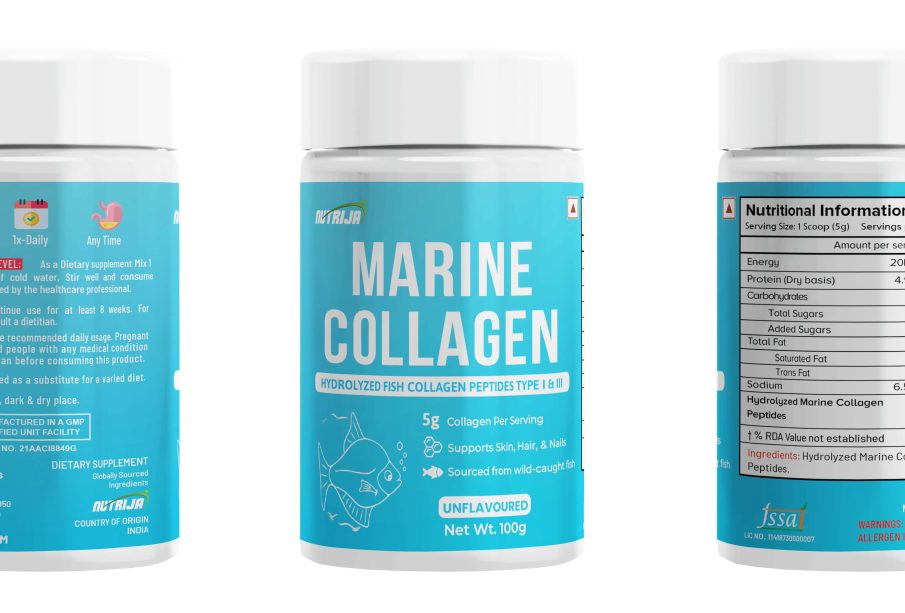
Trust in functional ingredients rarely forms through marketing claims alone. It builds quietly through documentation accuracy, predictable performance, and the ability to answer difficult questions without hesitation. For procurement teams evaluating a marine collagen supplier, traceability and consistency often determine whether a relationship progresses beyond initial sampling into long-term partnership.
Traceability connects raw material origin to finished ingredient integrity. Knowing where source material comes from, how it is handled, and how it moves through processing stages reduces uncertainty around safety, sustainability, and regulatory compliance. When supply chains become opaque, risk increases even if short-term quality appears acceptable.
Consistency protects formulation reliability. Nutraceutical products depend on precise dosing and stable sensory profiles. Minor variability in particle size, moisture content, or protein composition can influence blending behaviour, solubility, and taste perception downstream.
These factors shape confidence more strongly than specification sheets alone.
Traceability Builds Operational Confidence
Transparent sourcing allows buyers to validate sustainability practices, contaminant controls, and ethical procurement. Documentation trails simplify audits and regulatory submissions while reducing exposure during market expansion.
Clear traceability also supports rapid response if issues arise. Batch tracking enables targeted corrective action rather than broad recalls or production halts.
Operational visibility reduces risk throughout the supply chain.
Consistency Protects Formulation Stability
Formulations rely on predictable ingredient behaviour. Stability supports uniform dissolution, reliable texture, and consistent sensory neutrality. Variability increases waste, slows production, and forces unnecessary reformulation cycles.

Repeatable processing methods, controlled raw material inputs, and rigorous quality testing maintain consistency across batches.
This reliability underpins manufacturing efficiency and product performance.
Analytical Verification Supports Decision-Making
Robust testing frameworks provide quantitative assurance beyond visual inspection or small-scale trials. Particle distribution analysis, microbiological testing, heavy metal screening, and amino acid profiling support informed procurement decisions.
Access to clear analytical data builds confidence and accelerates technical evaluation cycles.
Logistics Reliability Strengthens Continuity
Ingredient trust extends into logistics performance. Predictable lead times, stable packaging integrity, and responsive communication support smooth production scheduling.
Supply disruptions often carry hidden cost through delayed launches, overtime labour, and inventory imbalance. Reliable logistics reduce operational stress.
Long-Term Partnership Perspective
Procurement relationships evolve through reliability over time rather than transactional pricing advantages. Consistent performance builds confidence to scale volumes, introduce new formulations, and expand distribution channels.
Trust becomes cumulative rather than conditional.
Ingredient selection influences product stability, regulatory confidence, and brand credibility simultaneously. When traceability and consistency remain strong, procurement decisions support sustainable growth rather than short-term convenience.