
Why Posture Correction Workouts Are Becoming a Key Focus in Fitness Gyms Singapore
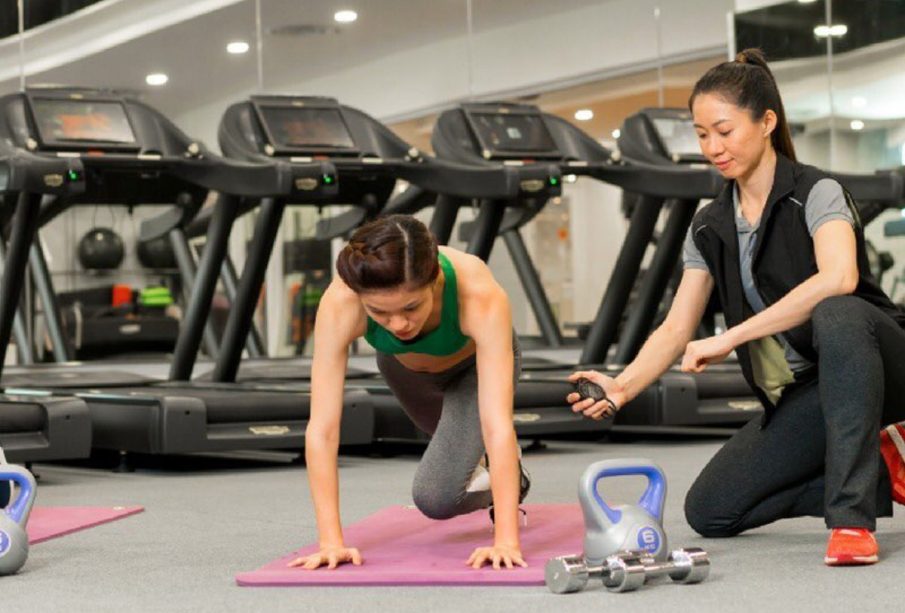
In today’s fast-paced digital world, posture issues have become one of the most common physical challenges faced by working adults. With hours spent hunched over laptops and mobile screens, the modern lifestyle has made back pain, neck stiffness, and muscle imbalances increasingly common. The growing awareness of these health concerns has led to a new trend—many people now turn to a fitness gym Singapore to correct posture and rebuild functional strength.
Understanding the Importance of Good Posture
Good posture is more than just standing tall. It ensures proper alignment of muscles and bones, allowing the body to function efficiently with minimal stress on ligaments and joints. When posture is compromised, it can cause multiple long-term issues such as chronic back pain, migraines, shallow breathing, and even digestive discomfort.
Posture correction workouts are designed to counteract the effects of sedentary behaviour. They focus on retraining the muscles that support your spine, improving mobility, and enhancing overall body awareness. In Singapore, where most professionals spend a large part of their day seated, this kind of targeted training has become essential for maintaining health and productivity.
The Posture Problem in Modern Lifestyles
Urban professionals often underestimate how daily habits affect body alignment. Whether you work from an office desk, drive long distances, or use digital devices frequently, your posture gradually adapts to these static positions. Over time, muscles in the chest and shoulders tighten, while the back and core muscles weaken.
This imbalance leads to the following common postural issues:
-
Forward head posture: The neck juts forward, straining the cervical spine.
-
Rounded shoulders: Weak upper back muscles cause the shoulders to slouch forward.
-
Anterior pelvic tilt: The pelvis tilts forward, creating excessive lower back arch.
-
Hunched back: Poor seating posture results in a curved upper spine.
These problems not only affect physical appearance but also limit movement efficiency, making even simple daily tasks more tiring.
Why Posture Correction Training Works
A posture correction program at a fitness gym focuses on reversing muscular imbalances and developing strength symmetry. Trainers use scientifically structured exercises that retrain the body to maintain proper alignment during movement and rest.
Some of the most effective approaches include:
-
Mobility drills to increase joint flexibility.
-
Core stabilisation exercises to support the spine.
-
Strengthening routines for weak postural muscles like the upper back and glutes.
-
Stretching programs for tight areas such as the chest, hip flexors, and hamstrings.
-
Functional movement training that improves coordination and balance.
Consistency is key. Over time, these exercises not only improve posture but also prevent related pains and muscular fatigue.
The Role of Professional Trainers in Posture Correction
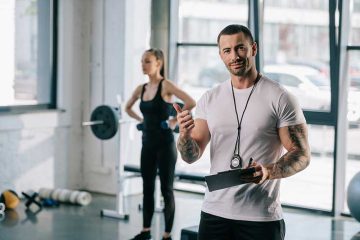
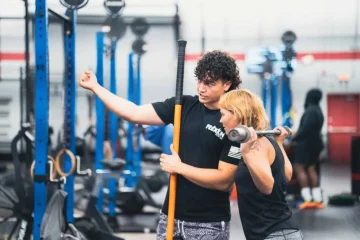
Correcting posture requires expert observation and guidance. At professional gyms like TFX, certified trainers use a mix of fitness science and practical experience to evaluate your movement patterns. They design programs tailored to your individual needs—addressing the root cause rather than the symptom.
Trainers typically perform assessments such as:
-
Postural alignment tests
-
Mobility and flexibility checks
-
Muscle strength analysis
-
Movement efficiency tracking
These insights allow them to craft a holistic approach that gradually corrects alignment, improves muscle coordination, and enhances functional strength.
How Strength Training Supports Posture
Many people associate strength training with muscle building, but it’s also one of the most powerful tools for posture correction. A well-balanced strength training plan reinforces stabilising muscles, helping you maintain a neutral spine throughout daily movements.
Some key exercises include:
-
Deadlifts: Strengthen the posterior chain and improve core stability.
-
Rows and pull-downs: Build upper back strength for better shoulder alignment.
-
Glute bridges and hip thrusts: Correct anterior pelvic tilt.
-
Planks and anti-rotation moves: Stabilise the midsection to protect the spine.
By performing these exercises under proper supervision, members in Singapore gyms experience better movement efficiency, reduced injury risk, and improved confidence.
The Connection Between Breathing and Posture
Breathing patterns play a critical role in posture. Shallow breathing, often caused by slouching, reduces oxygen flow and puts unnecessary pressure on the diaphragm. Correct posture opens the chest cavity and promotes diaphragmatic breathing, improving oxygen intake and energy levels.
Fitness coaches often integrate breathing techniques into posture training to strengthen the mind-body connection. This mindful practice not only enhances posture but also reduces stress and tension throughout the body.
Benefits Beyond the Physical
Improving posture delivers benefits that go far beyond aesthetics. Many individuals report significant improvements in mental clarity, productivity, and emotional well-being after engaging in posture correction training.
Here are some of the broader benefits:
-
Enhanced confidence: Standing tall naturally boosts self-esteem and body language.
-
Better focus: Improved oxygen flow enhances brain function.
-
Reduced fatigue: Proper alignment allows muscles to work efficiently, saving energy.
-
Improved digestion: Upright posture supports abdominal organs and gut health.
When posture is balanced, the body functions more effectively, and overall wellness improves.
Integrating Technology in Posture Training
The fitness industry in Singapore has adopted advanced technology to make posture correction more precise and measurable. Many modern gyms use motion sensors, digital posture scanners, and wearable fitness devices that provide real-time feedback on alignment.
These tools allow trainers and members to track progress and identify small changes in movement patterns that can lead to major long-term improvements. This combination of innovation and expert guidance makes posture correction far more effective than before.
Building Sustainable Habits for Better Posture
Correcting posture is not a one-time process—it requires building daily habits that support good alignment even outside the gym. Here are some practical steps you can integrate into everyday life:
-
Adjust your workstation to keep your screen at eye level.
-
Use ergonomic chairs that support your lower back.
-
Take short breaks every 45 minutes to stretch or walk.
-
Sleep on a supportive mattress that keeps your spine neutral.
-
Practise mindful standing and walking posture.
By combining consistent workouts with mindful daily habits, you can sustain long-term postural health.
FAQ
Q1: How soon can I see results from posture correction workouts?
Most people notice visible improvements in posture and pain relief within 6 to 8 weeks of consistent training, depending on the severity of their imbalance.
Q2: Are posture workouts suitable for people with back injuries?
Yes, with professional guidance. Trainers at reputable gyms create modified routines that strengthen without aggravating existing injuries.
Q3: Can I improve posture without equipment?
Absolutely. Bodyweight exercises such as planks, bridges, and wall slides can significantly enhance posture when performed correctly.
Q4: Do posture correction exercises help reduce shoulder pain?
Yes, strengthening the upper back and stretching tight chest muscles helps align the shoulders properly, reducing pain and stiffness.
Q5: How often should I train to maintain good posture?
For best results, posture-focused exercises should be done 3 to 4 times weekly, combined with daily stretching and mindful movement.
By addressing both muscular and lifestyle factors, posture correction training has become a vital part of modern fitness culture. A fitness gym Singapore equipped with expert trainers and holistic programs can help you build stronger alignment, better health, and lasting confidence. Facilities like TFX continue to redefine fitness by promoting functional strength and posture awareness—helping individuals feel lighter, stronger, and more in control of their bodies.