
Nutrition Strategies That Support Active and Busy Lifestyles

Maintaining high physical energy while juggling demanding career schedules, personal commitments, and athletic pursuits can feel like an impossible balancing act. When calendars fill up with back-to-back meetings, school drop-offs, and late-evening training sessions, nutrition is usually the first priority to collapse. People end up skipping meals, relying on convenient ultra-processed snacks, or subsisting on multiple cups of coffee just to drag themselves through the afternoon.
The human body is an adaptable engine, but it cannot deliver peak performance on poor fuel. Prolonged nutritional neglect leads to mid-day energy crashes, compromised immune function, sluggish exercise recovery, and brain fog. The answer is not an elaborate, rigid diet plan that demands two hours of gourmet cooking every night. Instead, sustainable performance depends on practical, repeatable strategies designed to fit seamlessly into real-world, fast-paced schedules.
The Foundation of Blood Sugar Stability
The most common trap for busy professionals is the blood sugar roller coaster. Grabbing a morning pastry, drinking a sugary bottled coffee drink, or skipping breakfast altogether causes a rapid spike and subsequent crash in blood glucose levels. When glucose plummets, the brain signals urgent cravings for fast-acting carbohydrates, creating a continuous loop of fatigue and impulsive eating.
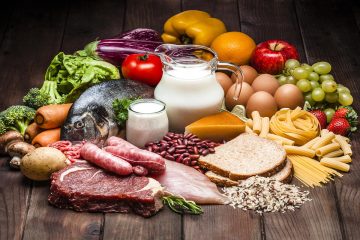
Sustaining even, predictable energy levels throughout an active day starts with balancing every plate or container around three core pillars.
-
Quality Protein: Protein stimulates satiety hormones and slows gastric emptying, preventing sudden hunger pangs while protecting lean muscle mass during workouts.
-
Complex Carbohydrates: Whole grains, tubers, and legumes digest gradually, providing a slow, continuous trickle of glucose to the bloodstream rather than an overwhelming surge.
-
Healthy Fats: Fats from olive oil, avocados, nuts, and seeds support hormone balance, cognitive clarity, and cell membrane integrity while providing long-lasting fullness.
When your meals combine all three elements, your blood sugar remains stable. This stability eliminates the familiar three o’clock slump and keeps you sharp through evening workouts or late-night projects.
Streamlining Food Preparation Without Losing Your Weekends
The idea of spending entire Sundays peeling, chopping, and weighing five days of identical meals in plastic containers turns most people away from meal prep entirely. Monotony leads to diet fatigue, and rigid meal plans quickly fail when spontaneous dinner invitations or unexpected late shifts occur.
A far more versatile approach is ingredient-based batching. Rather than constructing complete, uniform meals, you prepare versatile building blocks that can be mixed and matched across different dishes in under five minutes.
Batch Cook Versatile Proteins
Prepare two or three high-yield proteins at the start of the week using hands-off appliances like slow cookers, instant pots, or sheet pans.
-
Season chicken breasts or thighs simply with sea salt, pepper, garlic, and herbs so they fit into Mexican, Mediterranean, or Asian flavor profiles.
-
Roast extra lean ground beef or turkey with versatile aromatics.
-
Bake firm tofu or boil a batch of eggs for rapid grab-and-go options throughout the week.
Pre-Cook Complex Carbohydrate Bases
Cook large batches of grains that hold their texture well in the refrigerator for multiple days. Quinoa, brown rice, farro, and roasted sweet potato wedges store exceptionally well. Having these bases ready eliminates the thirty-minute wait time required to cook whole grains after an exhausting workday.
Stock Up on No-Prep Vegetables
Nutrient density drops when vegetable preparation feels like an overwhelming chore. Overcome this hurdle by relying on washed baby spinach, pre-shredded cabbage, snap peas, Persian cucumbers, and frozen steamable vegetables. Frozen vegetables are frozen at peak ripeness, preserving their vitamin and mineral content while eliminating washing, chopping, and food waste.
Nutrient Timing Around Intense Workouts
For active individuals, eating at the right time is almost as vital as the food choices themselves. Training hard with completely depleted glycogen stores compromises workout intensity, while exercising immediately after a heavy, fatty meal diverts blood flow to digestion, causing stomach cramps and lethargy.
The Pre-Workout Window
When working out within sixty to ninety minutes of waking or leaving the office, focus on easily digestible carbohydrates with minimal fat and moderate protein:
-
A banana with a thin spread of almond butter.
-
Plain oatmeal prepared with water and a half scoop of protein powder.
-
Rice cakes paired with a slice of lean deli turkey.
These options deliver readily accessible glycogen to your working muscles without sitting heavily in your gastrointestinal tract.
The Post-Workout Window
After strenuous resistance training or endurance sessions, your muscle fibers require amino acids for tissue repair and carbohydrates to replenish depleted glycogen reserves. You do not need to chug a protein shake within thirty seconds of dropping a dumbbell, but consuming a well-rounded meal within two hours of training supports prompt tissue remodeling and reduces next-day muscle soreness.
Portable Nutrition for Travel and Commuting
Relying on airport kiosks, highway convenience stores, or office vending machines almost always results in poor dietary choices. When hunger strikes unexpectedly and healthy options are absent, willpower is rarely enough to resist ultra-processed snacks packed with refined oils and added sugars.
Building a dependable portable nutrition kit preserves your energy and prevents decision fatigue when you are on the road.
-
Single-Serve Nut Butter Packs: Convenient sources of healthy fats that do not require refrigeration and pair easily with fresh fruit or rice cakes.
-
Low-Sodium Jerky and Meat Sticks: High-protein options made from beef, turkey, or salmon that provide satiety without heavy carbohydrate loads.
-
Portioned Raw Nuts and Seeds: Walnuts, almonds, and pumpkin seeds offer stable energy, magnesium, and essential fatty acids in compact portions.
-
High-Quality Protein Powders: Carrying a dry scoop of whey isolate or plant-based protein in a shaker bottle gives you a fast option that only needs cold water or almond milk.
-
Tinned Seafood: Light tuna, salmon, or sardines packed in water or olive oil are shelf-stable powerhouses loaded with omega-three fatty acids and clean protein.
Strategic Hydration and Electrolyte Management
Fatigue is frequently mistaken for hunger, and minor dehydration is one of the most common causes of midday brain fog, low motivation, and headaches. Even a two percent drop in total body hydration impairs cognitive processing speed, elevates heart rate during physical activity, and reduces muscular force output.
Drinking plain tap water by the gallon is not always the answer, especially for active individuals who sweat heavily during morning workouts. True hydration requires a careful balance of fluid and electrolytes, specifically sodium, potassium, and magnesium.
-
Start each morning by drinking sixteen to twenty ounces of water before reaching for your first cup of coffee, as the body naturally loses water through respiration during sleep.
-
Keep a dedicated stainless-steel or glass water bottle visible on your desk as a constant visual cue throughout the workday.
-
If you train in humid conditions, sweat heavily, or work in dry, air-conditioned office spaces, add a clean pinch of unrefined salt or an unsweetened electrolyte packet to your water to improve cellular fluid retention.
Building Consistency Over Perfection
The greatest obstacle to maintaining an optimal diet while managing a busy life is all-or-nothing thinking. Many people believe that if they cannot follow their ideal diet perfectly every single day, the entire effort is a failure. This mindset often leads to binge eating or giving up entirely until the next Monday.
Real nutritional health is built on consistency over months and years, not perfection over three days. Eating a balanced meal eighty percent of the time provides more than enough support for physical goals and recovery, while leaving twenty percent flexibility for social dinners, celebrations, and unexpected schedule disruptions. By prioritizing realistic habits, batching essential ingredients, and honoring simple biological requirements, you can fuel an ambitious, active lifestyle without making food a source of daily stress.
Frequently Asked Questions
How can someone maintain adequate protein intake on a completely plant-based diet while traveling constantly?
Plant-based travelers can rely on portable staples such as roasted edamame, dry-roasted chickpeas, high-protein plant jerky, and single-serving hemp seed packets. Carrying travel packets of blended pea and brown rice protein powder allows for quick shakes on the go, while ordering bean-and-tofu bowls at fast-casual restaurants provides a dependable hot meal option in almost any city.
Is it necessary to take digestive enzyme supplements if eating quickly between meetings?
While digestive enzyme supplements can assist in breaking down heavy meals, they do not resolve the underlying issue of eating in an active stress state. When you eat rapidly under high stress, sympathetic nervous system activity reduces blood flow to the digestive tract and suppresses natural stomach acid production. A more effective solution is to pause, take three deep belly breaths to activate parasympathetic digestion, and chew each bite thoroughly before swallowing.
How does chronic sleep deprivation affect appetite hormones and food choices?
Insufficient sleep disrupts two key regulatory hormones: ghrelin and leptin. Sleep loss elevates ghrelin, the hormone that triggers hunger, while suppressing leptin, the hormone responsible for signaling fullness. Additionally, an exhausted brain seeks quick dopamine hits and rapid glucose, leading to strong subconscious cravings for refined carbohydrates and sugary foods.
What are the best strategies for eating healthy when working overnight or erratic shifts?
Shift workers should anchor their meals to their personal wake-sleep rhythm rather than the standard clock. Eat your largest, protein-rich meal right before your shift begins to maintain steady alertness, rely on light, easily digestible snacks during the middle of the shift, and avoid heavy, high-carbohydrate meals right before day sleep, as digestion can fragment restorative deep sleep phases.
Can intermittent fasting work well for people who train hard early in the morning?
Fasting until midday while doing demanding early-morning workouts can increase muscle breakdown and elevate cortisol levels, particularly for female athletes whose endocrine systems are especially sensitive to low energy availability. If full meals feel too heavy at dawn, consuming a small, easily digestible carbohydrate and protein snack beforehand, followed by a balanced meal shortly after, protects muscle tissue and maintains hormonal health.
How do artificial sweeteners affect daily energy and sugar cravings throughout the day?
Non-nutritive sweeteners provide sweetness without calories, but for some individuals, they stimulate sweet taste receptors in the mouth and gut without providing the expected energy, which can sustain psychological cravings for sugar later in the day. Using them in moderation is generally fine, but relying on naturally sweet whole foods like berries, dates, and cinnamon is a more reliable long-term approach for stabilizing cravings.
Why do some people experience severe energy crashes after eating large salads for lunch?
A salad consisting solely of leafy greens, tomatoes, and cucumbers lacks sufficient complex carbohydrates and healthy fats to provide sustained cellular energy, leaving you hungry an hour later. Conversely, if the salad contains overly heavy, processed creamy dressings, fried toppings, and excessive sodium, blood flow rushes straight to the digestive tract to process the heavy fats, resulting in post-meal lethargy. Adding balanced proteins and moderate complex carbohydrates like quinoa or sweet potato creates clean, sustained energy.