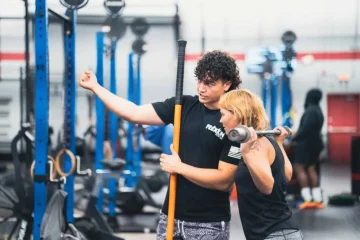

The Right Fitness Trainer Can Change Everything

Walking into a gym without guidance often feels like navigating an unfamiliar city without a map. Rows of machines hum with activity, free weights clutter the floor, and conflicting fitness trends flood every social media feed. Many people spend months cycling through random workouts, crash diets, and generic routines, only to abandon their efforts when real progress fails to materialize.
The gap between sporadic exercise and genuine physical transformation rarely comes down to sheer willpower. Most often, it comes down to strategy, bio-mechanical awareness, and consistent execution. Partnering with a qualified fitness professional eliminates the guesswork, turning directionless effort into a targeted, sustainable lifestyle shift.
The Flaws of the Solo Fitness Journey
Embarking on a fitness program alone is an admirable decision, yet standard solo attempts encounter several structural pitfalls.
-
Information Overload: Fitness trends change constantly. One influencer promotes heavy compound lifting while another champions high-intensity interval training or fasting. Attempting to synthesize this conflicting advice leads to analysis paralysis and fragmented workouts.
-
The Plateau Effect: Beginners often experience rapid early adaptations, known as beginner gains. Once these taper off, continued progress requires systematic overload and phase variations. Without an understanding of periodization, unguided lifters repeat identical routines indefinitely, stalling strength and physique development.
-
Hidden Injury Risks: Exercise produces strain. Without an objective pair of eyes assessing joint angles, pelvic tilt, and spinal neutrality, poor movement patterns become ingrained habits. Over time, subtle compensatory movements lead to chronic joint pain, tendonitis, or acute muscle tears.
-
Drifting Accountability: It is easy to skip the final two repetitions of a squat set, shave five minutes off a conditioning block, or stay in bed when winter mornings turn cold. Without external oversight, intensity drops and consistency erodes.
Precision Programming Tailored to Individual Physiology
Human bodies do not share identical lever lengths, hip socket depths, mobility limitations, or metabolic rates. A mass-produced workout template downloaded from an app treats every user as an identical anatomical model, which is an inherently flawed premise.
A dedicated trainer begins with an extensive intake assessment. This diagnostic phase examines ankle dorsiflexion, thoracic spine mobility, core stability, and past injury history. If your hip anatomy does not accommodate a deep barbell back squat without lumbar rounding, an experienced trainer will not force the movement. Instead, they will program front squats, goblet squats, or safety bar squats to yield the same muscular stimulus while protecting your spinal column.
Beyond structural mechanics, a personal coach aligns training blocks with physiological adaptation cycles. Progressive overload must be calculated rather than accidental. By manipulating volume, load, tempo, and rest intervals, your coach ensures that muscles receive sufficient stimulus to break down and rebuild stronger without pushing the central nervous system into overtraining.
Technique Refinement and Kinetic Chain Awareness
The human body is an expert compensator. When prime mover muscles fatigue or fail to fire due to neurological inhibition, secondary muscles step in to complete the motion. For example, during a conventional deadlift, weak glutes or hamstrings will often cause the lower back to round so the spinal erectors can haul the load upward.
A skilled trainer functions as a real-time biomechanical sensor. They notice when your knees cave inward during a lunge, when your shoulders elevate toward your ears during an overhead press, or when your breathing pattern decouples from your movement.
By applying tactile cues, verbal adjustments, and targeted corrective exercises, trainers fix energy leaks throughout your kinetic chain. This biomechanical precision achieves two critical outcomes:
-
It directs maximum mechanical tension precisely onto the target muscle groups, yielding faster hypertrophy and strength gains.
-
It offloads pressure from vulnerable ligaments, tendons, and joints, ensuring decades of pain-free training longevity.
Psychological Momentum and True Accountability
Knowledge of exercise science is readily available in books and peer-reviewed journals, yet gym memberships routinely go unused. The primary value of an elite fitness professional extends deep into behavioral psychology and habit construction.
Motivation is an emotional state that fluctuates based on sleep, work stress, and mood. Relying on motivation ensures inconsistent performance. A trainer introduces external accountability, which serves as a bridge until self-sustaining discipline takes root. Knowing an expert is waiting on the gym floor turns an optional gym trip into an unyielding appointment.
Furthermore, self-directed athletes almost always underestimate their physical capabilities. The human brain triggers an urge to stop when muscles have approximately thirty to forty percent of capacity remaining, an evolutionary safeguard designed to preserve energy. An experienced coach understands the difference between true muscular failure and mental fatigue. They know when to encourage one more repetition and when to pull back because form is deteriorating. That managed proximity to physical limits is precisely where growth occurs.
Navigating Nutrition and Recovery Realities
No workout routine can outpace chronic sleep deprivation, systemic inflammation, and an uncontrolled caloric intake. The hour spent lifting weights merely provides the stimulus; the actual transformation takes place during the remaining twenty-three hours of the day.
A qualified trainer provides grounded nutritional guidance that strips away dietary dogma. Rather than prescribing extreme, unsustainable caloric deficits or unnecessary supplements, they educate clients on energy balance, macronutrient distribution, and hydration. They help you calculate optimal daily protein intake to support muscle protein synthesis and teach you how to fuel workouts with complex carbohydrates.
Sleep hygiene and stress management also fall under a comprehensive coach’s watch. When life stress spikes, cortisol levels rise, and recovery slows. An adaptable trainer reads these signals and adjusts session intensity accordingly, replacing heavy central nervous system taxing sessions with active recovery, mobility sequences, or aerobic zone two conditioning.
Long-Term Autonomy and Sustainable Health
The ultimate objective of working with a premier fitness coach is not perpetual dependency. It is education. Every training session serves as an active seminar on human movement, physiology, and resilience.
Over months of structured collaboration, you learn how to warm up dynamic muscle groups, how to select appropriate loads based on Rate of Perceived Exertion, and how to safely troubleshoot minor aches before they become major injuries. You develop an intuitive sense of your own capacity and limitations.
Hiring the right trainer is a foundational investment in personal agency. With their guidance, exercise shifts from an exhausting chore into a rewarding, systematic craft that yields physical strength, mental clarity, and enduring vitality for decades to come.
Frequently Asked Questions
How long should someone work with a personal trainer before training independently?
Most individuals benefit from working with a dedicated trainer for three to six months. This timeframe provides sufficient time to master fundamental movement patterns, build an aerobic base, understand progressive overload concepts, and develop consistent gym habits that carry over into independent training.
What specific certifications or credentials should a client look for in a trainer?
Look for trainers certified through accredited organizations such as the National Academy of Sports Medicine, the National Strength and Conditioning Association, the American Council on Exercise, or the American College of Sports Medicine. Degrees in kinesiology, exercise science, or biomechanics represent even higher levels of rigorous formal education.
How does a trainer adjust workouts for chronic health conditions like hypertension or arthritis?
Qualified trainers utilize medical clearance documentation and modify exercise variables to maintain safety. For arthritis, they prioritize non-impact compound movements, warm-up length, and closed-chain exercises. For hypertension, they eliminate extended breath-holding techniques such as the Valsalva maneuver, avoiding sudden shifts between standing and floor-based movements to control blood pressure spikes.
Can a personal trainer provide exact meal plans and prescribe medical supplements?
Standard personal training certifications do not permit trainers to prescribe medical diets, treat eating disorders, or design rigid clinical meal plans unless they also hold credentials as a Registered Dietitian or licensed sports nutritionist. However, they are fully qualified to offer general nutritional education, calculate macronutrient targets, and suggest whole-food balance strategies.
What is the difference between an in-person trainer and a remote online fitness coach?
An in-person trainer provides immediate hands-on form correction, real-time spotting for heavy lifts, and physical energy during workouts. An online coach focuses on overall programming architecture, weekly video analysis, lifestyle audit metrics, and daily data tracking. Beginners typically gain more value from in-person instruction, while advanced lifters often thrive with online program design.
How many sessions per week are optimal when starting with a trainer?
Two to three sessions per week is the ideal frequency for most beginners. This schedule allows the trainer to expose the client to full-body movement patterns frequently enough to build neuromuscular skill while providing adequate rest days between intense bouts to prevent excessive muscle soreness.
What red flags indicate that a trainer might be a poor match?
Warning signs include trainers who look at their phones during sets, assign high-risk technical exercises on day one without movement screens, push extreme crash diets, ignore joint pain complaints, or give identical workout routines to clients with entirely different physical profiles and goals.