

The Role of a Fitness Trainer in Achieving Your Goals
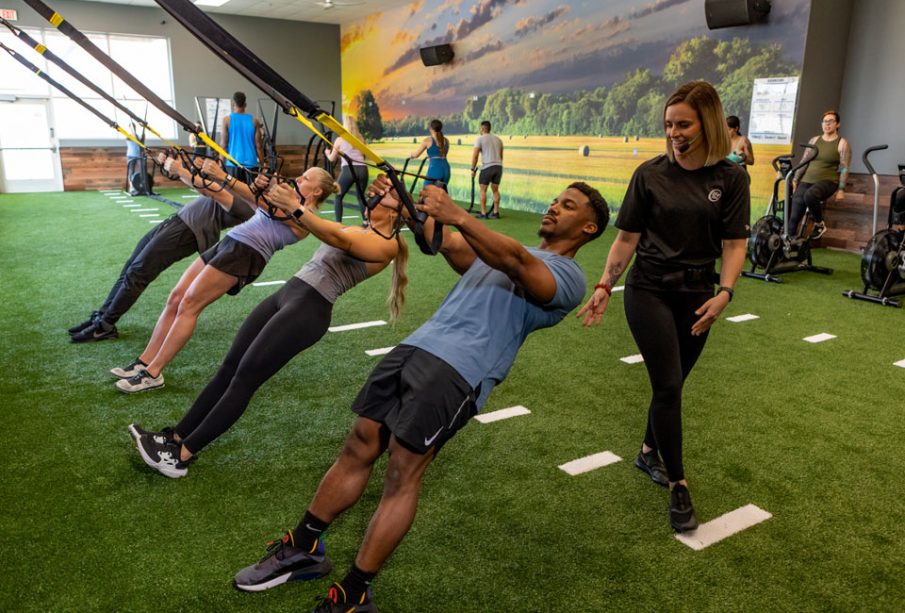
Reaching your fitness goals requires more than just motivation and effort. It demands knowledge, structure, and consistency—elements that often become difficult to sustain alone. This is where the role of a fitness trainer in achieving your goals becomes invaluable. A skilled trainer provides expertise, accountability, and personalized strategies that transform your workout routine into a structured, goal-oriented journey. Whether your aim is to lose weight, build strength, improve mobility, or enhance overall health, a fitness trainer can help you reach your objectives safely and effectively.
Understanding the True Role of a Fitness Trainer
A fitness trainer is far more than someone who counts your reps or designs a workout plan. Their role encompasses physical, psychological, and educational aspects of fitness. They serve as coaches, mentors, and motivators who help clients develop sustainable habits that extend beyond the gym.
Professional trainers begin by assessing your current fitness level, identifying goals, and designing a plan that balances progress with safety. They also provide continuous feedback and adjustments to ensure your plan remains effective as your body adapts and your abilities evolve.
A key aspect of their work lies in education. Trainers teach clients how to perform exercises with proper form, understand nutrition basics, and interpret body cues to prevent overtraining and injury.
Personalized Program Design
One of the main reasons people fail to reach their fitness goals is following generic workout plans that don’t account for individual differences. A fitness trainer eliminates this problem by creating a customized program that aligns with your body type, goals, schedule, and fitness level.
Initial Assessment and Goal Setting
Every effective fitness journey begins with an assessment. Trainers typically conduct a comprehensive evaluation that includes:
- Body composition analysis: Measuring body fat percentage, muscle mass, and metabolic rate.
- Flexibility and mobility testing: Identifying muscle imbalances or tightness that could affect performance.
- Strength and endurance tests: Establishing baselines for improvement.
- Lifestyle and nutrition evaluation: Understanding your daily habits and stress levels.
Once the assessment is complete, your trainer helps you set specific, measurable, attainable, relevant, and time-bound (SMART) goals. These goals form the foundation of your fitness roadmap.
Tailoring Workouts to Individual Needs
A customized fitness plan ensures that every workout moves you closer to your goal. Trainers consider factors such as age, injury history, and current health conditions when designing routines. For instance, an individual recovering from a knee injury will require different exercises than someone training for a marathon.
This tailored approach ensures efficiency—maximizing results while minimizing the risk of injury.
Proper Technique and Injury Prevention
Incorrect exercise form is one of the leading causes of injury in both beginners and experienced athletes. A fitness trainer ensures proper movement mechanics, alignment, and posture throughout each session.
They also teach you how to warm up correctly, stretch effectively, and recover properly. This education is essential for longevity in any fitness program. By observing and correcting form in real-time, trainers prevent injuries and help you develop neuromuscular coordination for better performance.
In addition to physical supervision, trainers educate clients on body awareness—how to recognize fatigue, tightness, or imbalance before it leads to injury. This not only promotes safety but also enhances overall training efficiency.
Accountability and Motivation
One of the greatest challenges in fitness is consistency. Many people begin with enthusiasm but lose motivation over time. A fitness trainer bridges this gap by holding you accountable for your progress.
Accountability is not limited to showing up at the gym. Trainers monitor your adherence to nutrition plans, sleep habits, and stress management—all critical components of success. Regular check-ins and progress tracking reinforce commitment and create a sense of accomplishment.
Beyond accountability, trainers provide emotional and psychological support. They celebrate small victories, help you overcome plateaus, and push you when self-doubt arises. Their encouragement keeps you focused on the long-term vision, even during challenging phases.
Science-Based Training Methods
Effective fitness training is rooted in science, not trends. Professional trainers stay updated with research on exercise physiology, biomechanics, and nutrition to design evidence-based programs that deliver results.
Periodization and Progressive Overload
A well-structured training plan includes cycles of progression known as periodization. This involves gradually increasing exercise intensity, volume, and complexity to stimulate continuous improvement while preventing overtraining.
Trainers apply the principle of progressive overload—incrementally increasing resistance or intensity to challenge the body. Without proper progression, results stagnate or injuries occur.
Balanced Programming
Trainers design programs that balance strength, endurance, flexibility, and mobility. They ensure all muscle groups are trained proportionately, avoiding imbalances that can lead to chronic pain or poor posture.
This scientific approach ensures optimal adaptation, helping you build muscle, burn fat, or enhance performance safely and efficiently.
Nutrition Guidance and Lifestyle Coaching
While exercise is critical, nutrition plays an equally important role in achieving fitness goals. Many fitness trainers provide basic nutritional guidance to complement your workout regimen.
They help you understand macronutrients—proteins, carbohydrates, and fats—and how to adjust their ratios based on your goals. For example, a person aiming for muscle gain may need higher protein intake, while someone focused on fat loss benefits from a moderate calorie deficit.
Trainers also address hydration, meal timing, and portion control, teaching sustainable eating habits rather than restrictive diets. In addition, they emphasize lifestyle factors such as sleep, recovery, and stress management, all of which influence physical performance and overall well-being.
Adaptability and Continuous Progress
As your body adapts to training, your plan must evolve to prevent stagnation. Fitness trainers continuously monitor progress and make strategic adjustments to ensure continued growth.
They use measurable indicators such as body composition changes, strength improvements, endurance gains, and flexibility milestones to fine-tune your routine. This ongoing adaptation keeps workouts engaging and ensures long-term progress.
Moreover, trainers adjust programs based on external factors like work stress, travel, or injury recovery, making them highly adaptable to real-life circumstances.
The Psychological Impact of Working with a Trainer
Fitness success is not purely physical—it’s deeply psychological. Trainers help clients build confidence, discipline, and a positive mindset toward fitness and self-care.
Regular exercise releases endorphins that improve mood and reduce anxiety, but consistent guidance amplifies these effects. Trainers teach clients how to overcome mental barriers, handle setbacks, and maintain motivation during difficult times.
This psychological reinforcement helps transform short-term efforts into lifelong habits, ultimately leading to sustained health and vitality.
The Role of Technology in Modern Training
Modern fitness trainers use technology to enhance effectiveness and communication. Fitness apps, wearable devices, and performance tracking tools allow trainers to collect data, monitor progress, and adjust plans in real-time.
Digital platforms also enable virtual coaching sessions, allowing clients to maintain accountability and consistency even when traveling or working remotely.
This data-driven approach enhances precision, transparency, and engagement between trainer and client, ensuring measurable results.
Specialized Training for Specific Goals
Fitness trainers often specialize in specific areas, providing expertise that aligns with individual goals.
Weight Loss Coaching
Trainers design calorie-efficient, fat-burning workouts that combine strength training with high-intensity cardio. They also help clients build lean muscle to improve metabolism and sustain long-term weight management.
Strength and Conditioning
For athletes or individuals seeking performance improvement, trainers develop structured programs focusing on power, endurance, and agility. These programs use advanced methods such as plyometrics, Olympic lifting, and mobility drills.
Rehabilitation and Corrective Exercise
Post-injury clients benefit from trainers skilled in corrective exercise. These specialists work closely with medical professionals to rebuild strength, restore range of motion, and prevent re-injury.
Senior and Functional Fitness
Trainers working with older adults focus on balance, flexibility, and strength to improve daily functionality and reduce fall risk. Functional fitness exercises simulate real-life movements, enhancing overall independence and mobility.
The Long-Term Benefits of Professional Guidance
The benefits of working with a fitness trainer extend far beyond achieving short-term goals. Long-term collaboration fosters a lifestyle of continuous growth, self-awareness, and resilience.
Consistent training improves cardiovascular health, bone density, muscle tone, and metabolic efficiency. Mentally, clients gain confidence, stress resilience, and an improved sense of well-being.
Most importantly, trainers help clients sustain results through education, creating a foundation for lifelong health rather than temporary change.
Frequently Asked Questions
Q1. How often should I train with a fitness trainer?
The frequency depends on your goals, schedule, and experience level. Beginners often benefit from 2-3 sessions per week for hands-on guidance, while experienced individuals may only need periodic check-ins for program updates.
Q2. Can a fitness trainer help with nutrition?
Yes, most certified trainers can provide general nutrition advice that complements your training program. However, for complex dietary needs or medical conditions, consulting a registered dietitian is recommended.
Q3. What qualifications should I look for in a trainer?
Look for trainers certified by recognized organizations and with experience relevant to your goals. A good trainer should also demonstrate excellent communication, empathy, and professionalism.
Q4. Is online training as effective as in-person sessions?
Online coaching can be highly effective when the trainer provides structured programs, regular check-ins, and personalized feedback. It offers flexibility without compromising accountability.
Q5. Can fitness trainers help prevent injuries?
Absolutely. Trainers teach proper form, progression, and recovery strategies that reduce injury risk. They also identify muscular imbalances and correct them before they cause issues.
The role of a fitness trainer in achieving your goals goes far beyond exercise instruction. They serve as educators, motivators, and strategists, helping you build discipline, knowledge, and a lifelong foundation for health. With their guidance, fitness becomes not just a routine, but a transformative journey toward your strongest, healthiest self.