

Supporting Veterans’ Mental Health: The Role of Expert Care
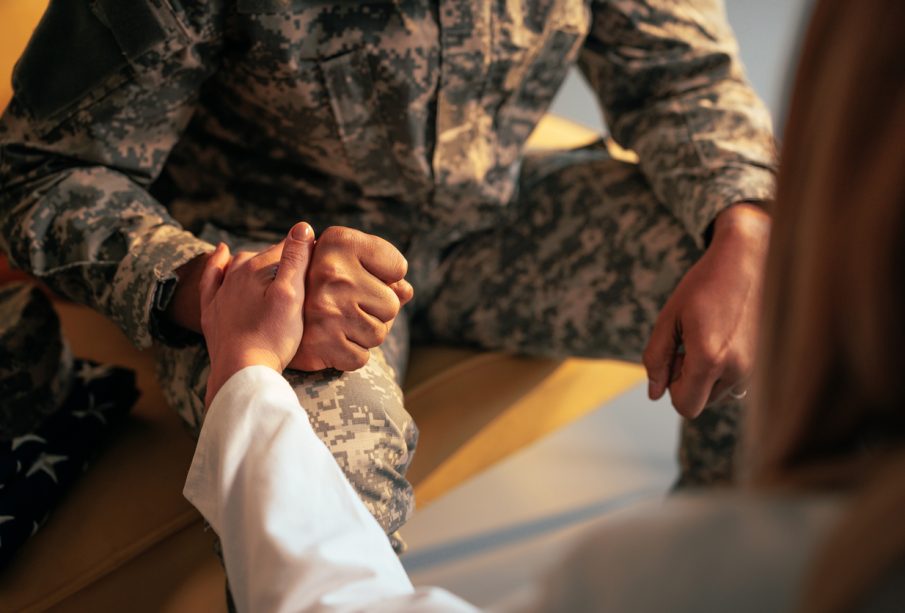
Leaving the Australian Defence Force (ADF) marks a significant transition in life. While many former service members adapt well to civilian life, others face substantial hurdles in maintaining their wellbeing. The experiences gained during service are unique, often creating a set of mental health needs that require specialized understanding and support. Addressing these needs effectively is not just about general therapy; it requires a tailored approach that acknowledges the distinct culture and challenges of military life.
One of the most vital aspects of this transition is ensuring access to appropriate resources. For eligible veterans, accessing specific support frameworks is essential. The system surrounding DVA mental health care is designed to provide this targeted assistance, ensuring that those who have served can connect with professionals who understand the nuances of their background. This specialized care recognizes that the psychological impact of deployment, training, and military culture differs significantly from civilian stressors.
Professional support plays a crucial role in helping veterans manage conditions such as Post-Traumatic Stress Disorder (PTSD), anxiety, and depression. These conditions can often manifest years after service has ended, sometimes triggered by changes in employment, family dynamics, or physical health. Expert care providers are trained to identify these delayed responses and offer strategies that go beyond simple coping mechanisms. They work to rebuild a sense of purpose and identity, which can often feel lost after leaving the structured environment of the ADF.
In Australia, the focus has shifted towards a more holistic model of care. It is understood that mental health does not exist in a vacuum. Physical injuries, chronic pain, and social isolation often accompany psychological distress. Expert care teams now frequently include a mix of psychologists, psychiatrists, social workers, and rehabilitation consultants working in unison. This multidisciplinary approach ensures that all aspects of a veteran’s life are considered. For instance, treating chronic pain can often lead to improvements in mood and sleep, creating a positive cycle of recovery.
Family members are also an integral part of this equation. The impact of service-related mental health issues ripples out to partners and children. Effective support systems now often include education and counseling for families, helping them understand what their loved one is experiencing. When families are equipped with knowledge and strategies, they become powerful allies in the recovery process.
Early intervention remains a priority within the Australian veteran community. Waiting until a crisis point is reached makes recovery more difficult and prolonged. Encouraging veterans to connect with expert services at the first sign of trouble—be it sleep disturbance, irritability, or withdrawal—can prevent more severe complications down the track.
The goal of expert care is not simply to treat symptoms but to empower veterans to lead fulfilling lives post-service. By leveraging specialized knowledge and understanding the specific context of Australian military service, health professionals can offer the high-quality support that