
How to Plan Your Travel Vaccines Before an International Trip
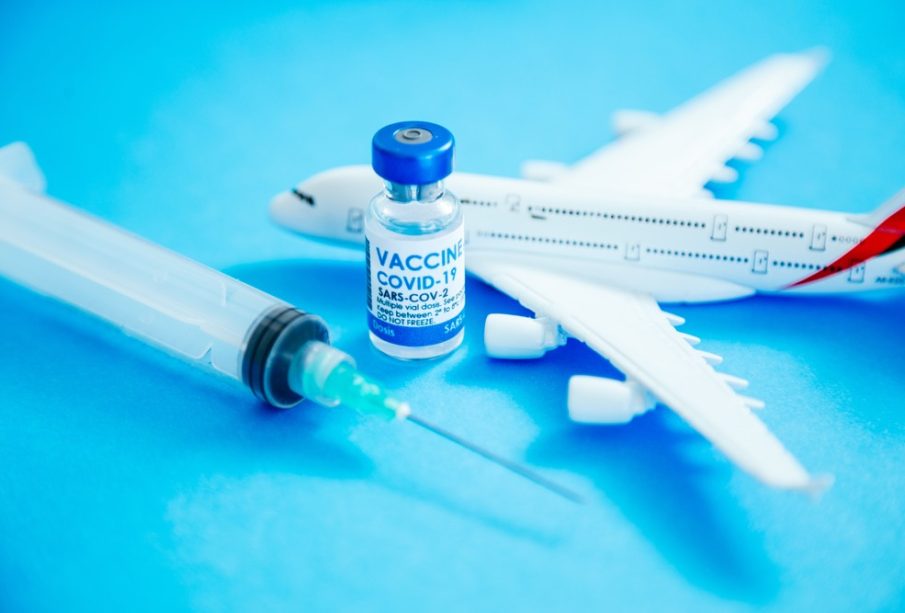
Traveling to different parts of the world exposes you to new cultures, foods, and experiences. However, it also exposes you to potential health risks. Many countries require or recommend vaccinations to protect travelers from diseases that may not be common in their home country. Properly planning your travel vaccines ensures you stay healthy and avoid unnecessary health complications during and after your trip.
Why Travel Vaccines Are Important
Vaccinations protect you from infectious diseases that are more prevalent in certain regions. Some countries have mandatory vaccine requirements for entry, while others recommend vaccines based on health risks such as contaminated water, mosquito-borne illnesses, or poor sanitation. Getting vaccinated reduces the risk of severe illness and helps prevent the spread of infectious diseases globally.
Researching Vaccine Requirements for Your Destination
Before booking your trip, check the vaccination requirements and health recommendations for your destination. Different regions have different risks, and some vaccines may be required for entry.
Check Government and Health Websites
Websites like the World Health Organization (WHO) and the Centers for Disease Control and Prevention (CDC) provide up-to-date travel health information. These sources list required and recommended vaccines based on destination, along with advice on food and water safety.
Understand Country-Specific Requirements
Some countries require proof of vaccination for diseases such as yellow fever or polio before entry. If you’re traveling to multiple countries, be aware that requirements may vary, and some vaccines must be administered weeks in advance.
Consulting a Travel Health Clinic
Once you know the vaccine requirements, schedule an appointment at a travel health clinic or with your doctor.
Timing Your Vaccinations
Many vaccines require multiple doses or take time to become fully effective. Plan your vaccinations at least 4 to 6 weeks before departure. This ensures your body builds immunity and minimises side effects before your trip.
Discussing Personal Health Considerations
Your doctor will assess your medical history and risk factors to determine which vaccines you need. If you have underlying health conditions, allergies, or are pregnant, some vaccines may not be suitable.
Common Travel Vaccines
The vaccines you need depend on your destination, activities, and existing immunisations.
Routine Vaccinations
Ensure your routine vaccinations, such as measles-mumps-rubella (MMR), tetanus, and flu shots, are up to date before traveling. These vaccines protect against diseases that can still be common in some parts of the world.
Required Vaccinations
Certain vaccines are mandatory for travel to specific regions. For example:
- Yellow fever: Required for travel to parts of Africa and South America.
- Meningococcal vaccine: Mandatory for travelers to Saudi Arabia during Hajj.
Recommended Vaccinations
In addition to required vaccines, doctors may recommend others based on destination risks. Common travel-related vaccines include:
- Hepatitis A and B: Recommended for areas with poor sanitation and high rates of infection.
- Typhoid: Important for travel to regions with unsafe drinking water.
- Rabies: Recommended for travelers engaging in outdoor activities or visiting rural areas.
Additional Precautions for Disease Prevention
Vaccines provide strong protection, but additional precautions help reduce the risk of illness while traveling.
Food and Water Safety
In some regions, contaminated food and water pose a significant risk. Stick to bottled or purified water, avoid raw foods, and choose well-cooked meals from reputable sources.
Mosquito Protection
For destinations where malaria, dengue fever, or Zika virus are concerns, use insect repellent, wear long clothing, and sleep under mosquito nets when necessary. Some travelers may need antimalarial medication in addition to travel vaccines.
Hand Hygiene and General Health Measures
Frequent handwashing, using hand sanitizers, and avoiding close contact with sick individuals can help prevent infections. Carrying a small medical kit with basic medications for fever, diarrhea, and allergies is also advisable.
Keeping Vaccination Records and Proof
Some countries require proof of vaccination, such as the International Certificate of Vaccination (Yellow Card). Keep digital and physical copies of your vaccination records in case they are needed at border control or in an emergency.
Conclusion
Proper planning for travel vaccines is essential for staying healthy while exploring the world. Researching your destination’s requirements, consulting a travel health clinic, and receiving necessary vaccinations well in advance can prevent serious health risks. Combined with good hygiene and safety measures, vaccinations help ensure a smooth and enjoyable trip.